

Our Blog
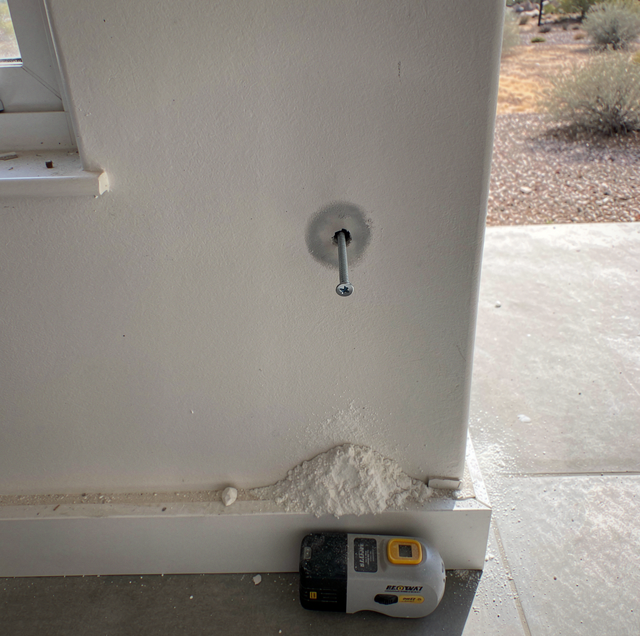
A Nail Through a Water Line: Why It Might Not Leak Yet
You're driving a screw into the wall to hang a floating shelf. On the last turn, the resistance changes: a soft catch, then a faint squeak that drywall alone doesn't make.
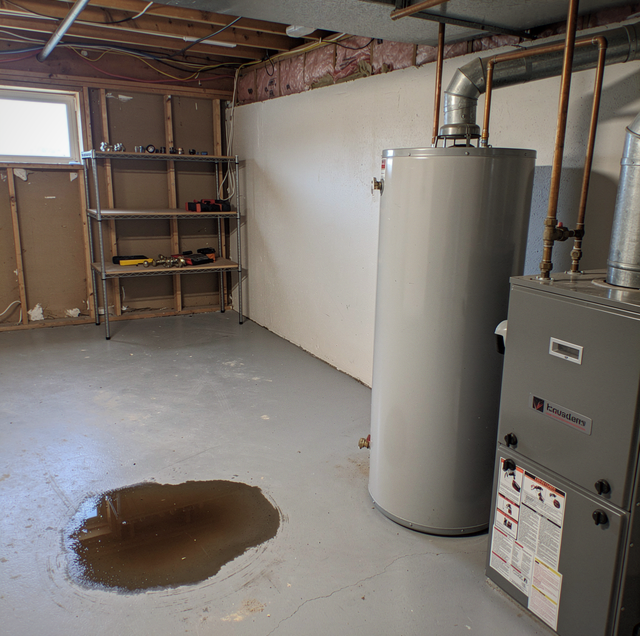
Water Heater Repair or Replace: What Really Decides It
When is a water heater worth fixing, and when is it time to replace it outright?
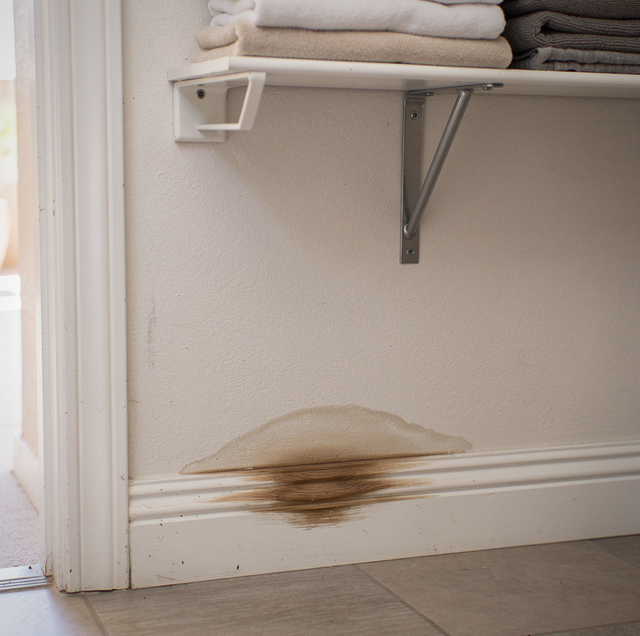
Bathtub Overflow Leak: Why It Only Shows Up After a Deep Fill
Your sister-in-law is visiting for the weekend, and she wants an actual bath instead of the five-minute shower everyone in the house has settled into.

How to Tell If Your Home Needs a Water Softener (7 Signs)
Your glasses come out of the dishwasher with a cloudy film no rinse aid fixes.
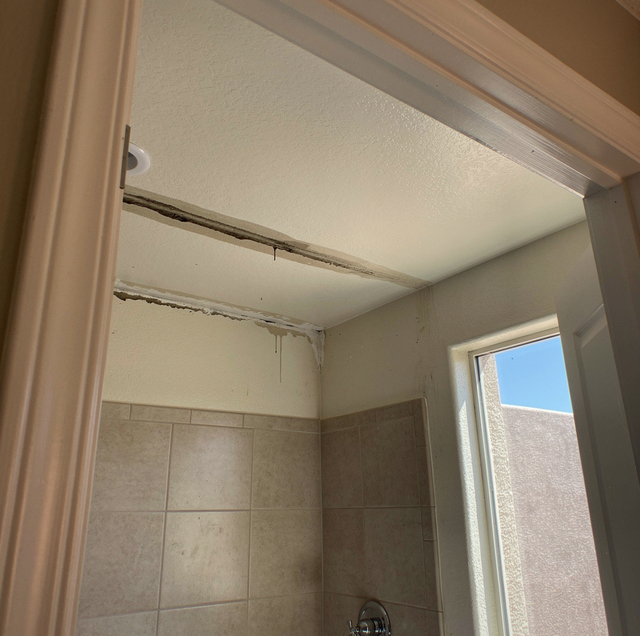
Water Leak Only When the Shower Runs: Four Places It Starts
Two facts about the same house refuse to agree. The ceiling under the bathroom carries a dark line that gets a little longer every week, and the baseboard in the next room goes damp on the same schedule.
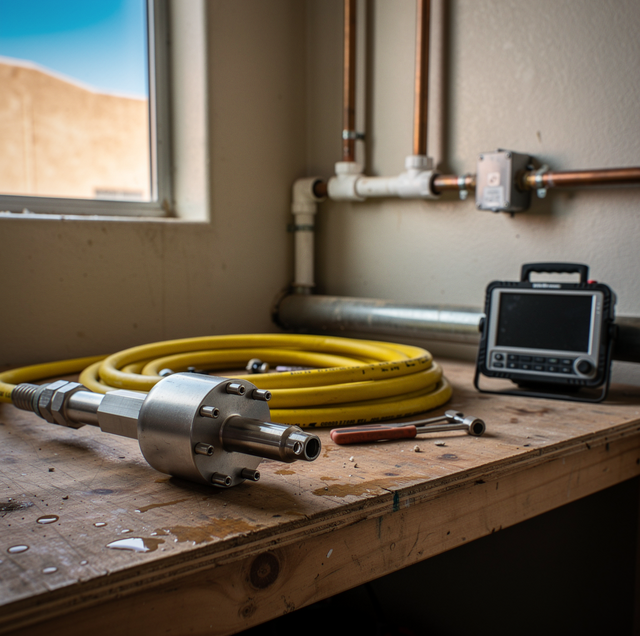
Hydro Jetting: The Drain Fix a Snake Simply Cannot Match
The fastest way to understand hydro jetting is to compare it with the tool most people already know: the drain snake.

Evaporative Cooler Water Line Leak: The Signs Most People Miss
You're coiling the garden hose against the side of the house when you notice the stucco under the eave has gone dark, a blistered stain trailing down from somewhere near the roofline you can't see from the ground.
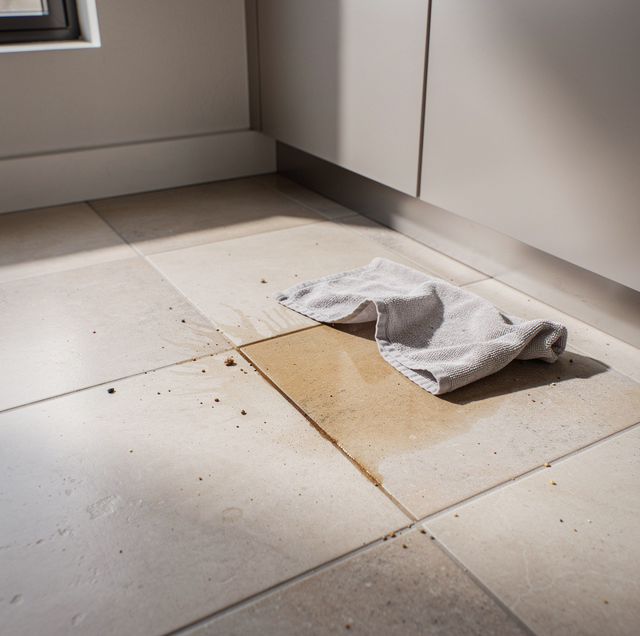
What Is a Slab Leak? The Hidden Threat Under Your Floor
A slab leak is a leak in one of the water lines that runs underneath or inside the concrete foundation slab your home sits on.

Washing Machine Water Line Leaking in the Wall? What It Means
The recessed box behind a washing machine may be the only plumbing component in a house that gets installed, covered by an appliance, and then never looked at again.
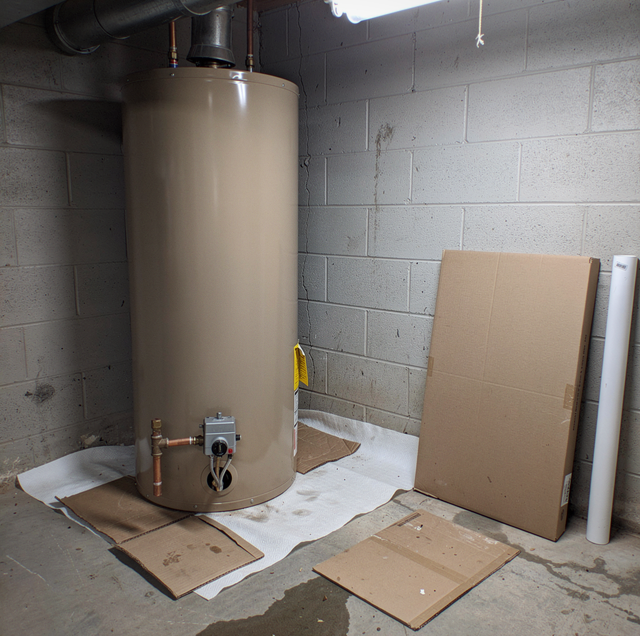
Water Pooling Around Your Water Heater? 6 Real Causes
A wet floor next to the water heater rarely means the whole thing has failed.
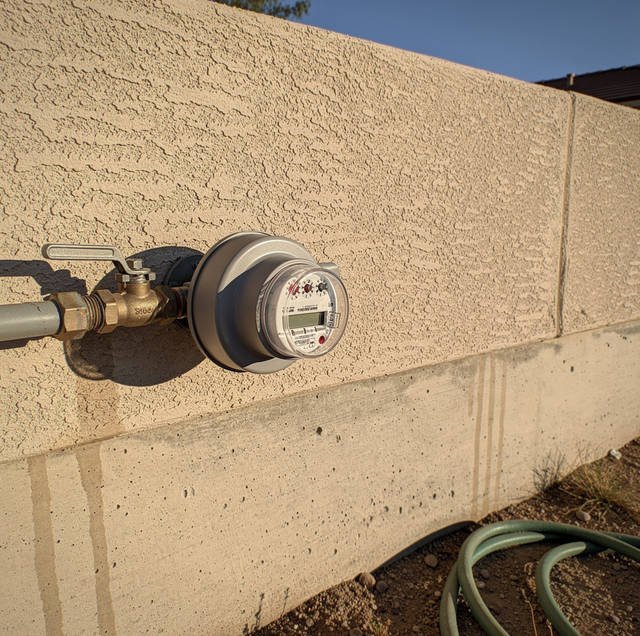
Water Meter Still Spinning With the Main Off? What That Rules Out
You have both hands on the shutoff valve where the line enters your house, and you have already turned it as far as it goes; there is no more give in the handle.
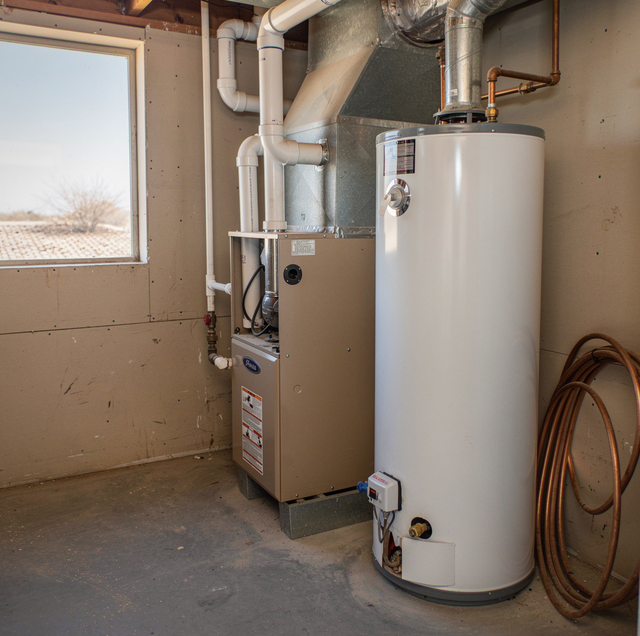
Tankless vs. Tank Water Heater: Which Wins for Your Home?
Replacing a water heater is a decision most homeowners make once or twice in a lifetime, usually in a hurry after the old unit quits.
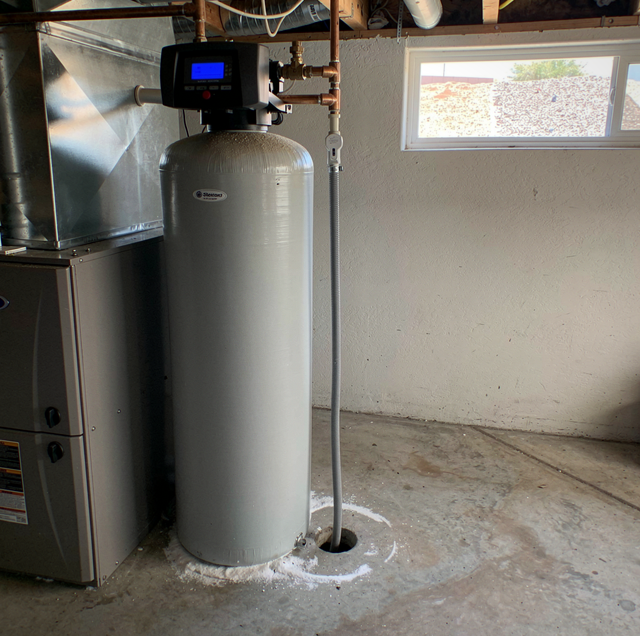
Irrigation Leak Fixed, Water Bill Still High: 4 Places Left
The invoice from the irrigation repair is still sitting on the counter, the total circled where you paid it, next to an envelope from the water utility that arrived this week.
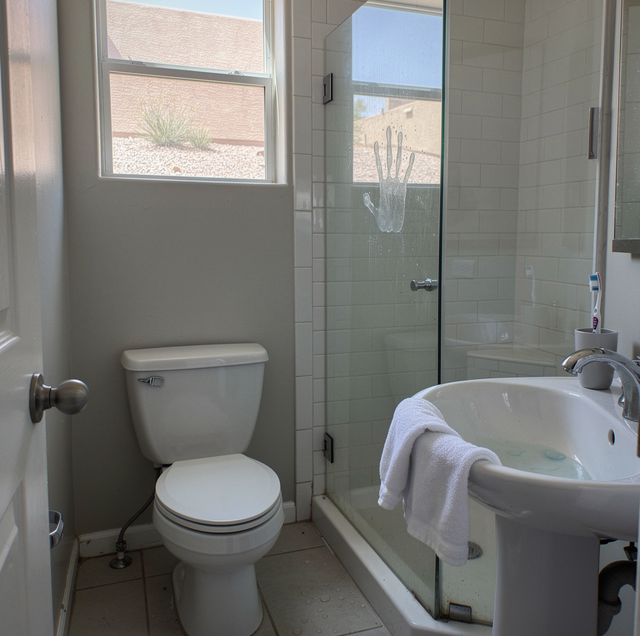
8 Signs a Sewer Line Is Starting to Fail
A clogged drain and a failing sewer line can start out looking almost identical: a slow flush, a little gurgle, a smell you catch once and then forget.
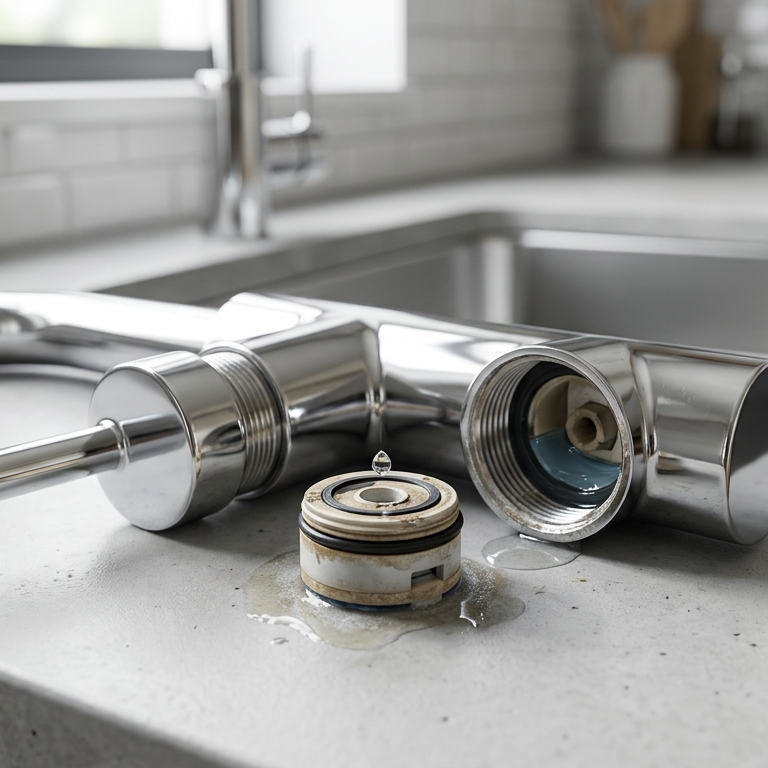
Why Your Faucet Drips After You Shut It Off (And the One Part to Blame)
You crank the handle closed, walk away, and a minute later you hear it: the slow tap of water hitting the basin. The handle is off. The water is off. And the faucet is still leaking. If that has you wondering whether something is broken deep inside the fixture, you are reading the situation correctly. A faucet that drips after you shut it off almost always has one worn internal part that no longer forms a tight seal against the water pressure sitting behind it.
First Water Bill After Moving In: Why It’s So High
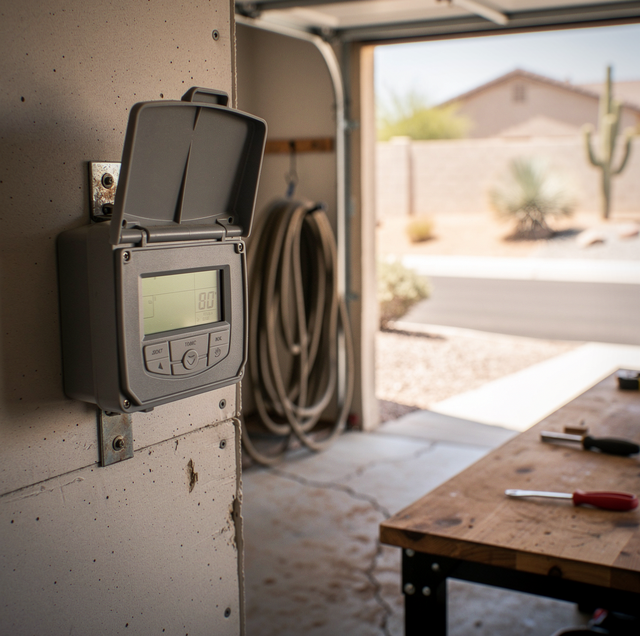
Three weeks in the house, and the billing period printed on the invoice is longer than that.
Intermittent Water Leak in the House: It Still Has a Trigger
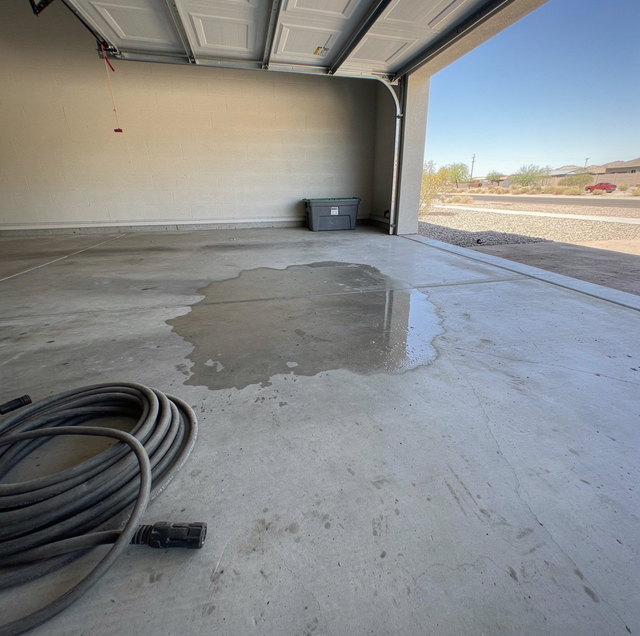
You crouch down at the same spot on the garage floor you photographed yesterday morning, running a thumb across the concrete to check it's really dry this time.
Why Multiple Drains Back Up at Once: The Main-Line Clue
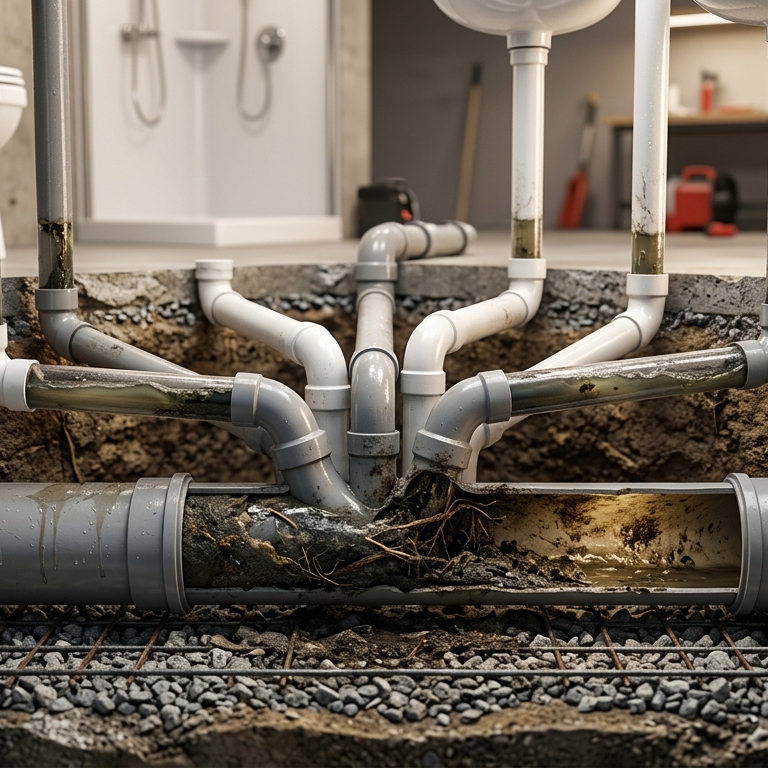
When one sink drains slowly, you probably have a local clog in that fixture's trap. When the toilet, the tub, and the floor drain all misbehave at the same time, something different is happening. The problem is no longer at any single fixture. It has moved to the pipe they all share.
High Water Usage Overnight: What Runs While You Sleep
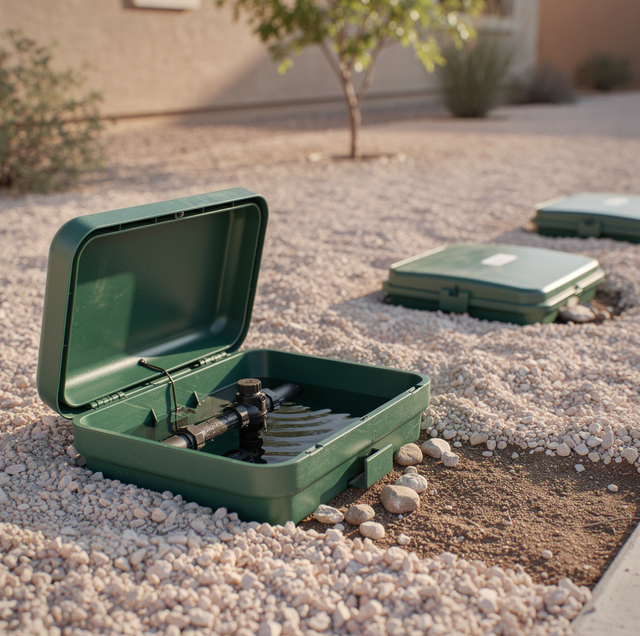
The valve boxes at the edge of the yard usually look identical to each other, four green lids set flush in the gravel.
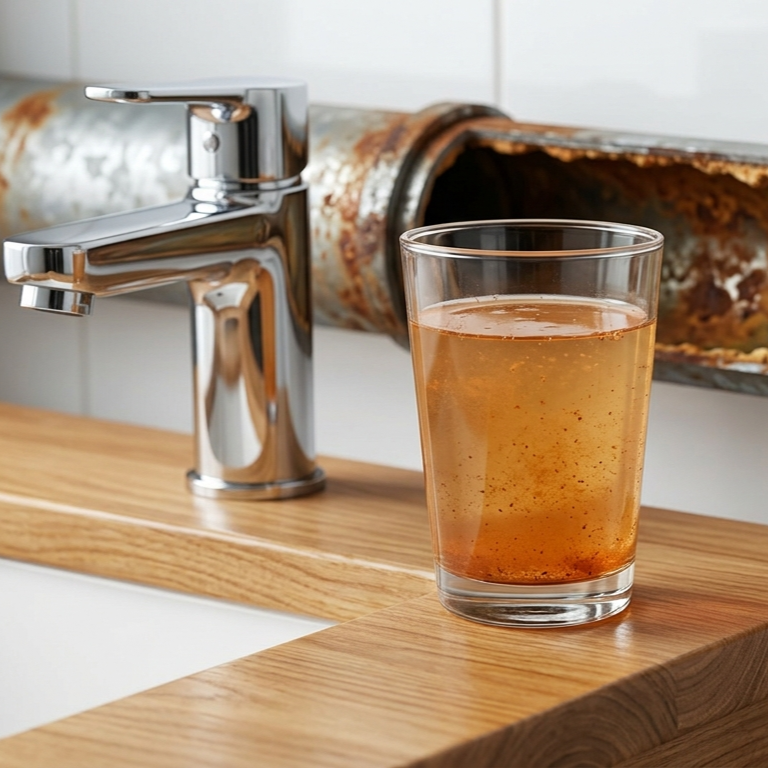
Rusty Tap Water? What the Color Is Telling You
You turn on the faucet expecting clear water and instead get a rusty brown stream, a yellow tint, or a glass that looks cloudy. It is unsettling, and the first question is always the same: Is this dangerous, and what is causing it? The good news is that the water itself is doing you a favor. The color is a signal, and each shade points to a different source. Once you learn to read that signal and combine it with a couple of simple checks, you can usually narrow the problem down to a single pipe, appliance, or fixture without guessing.