

What Is a Slab Leak? The Hidden Threat Under Your Floor
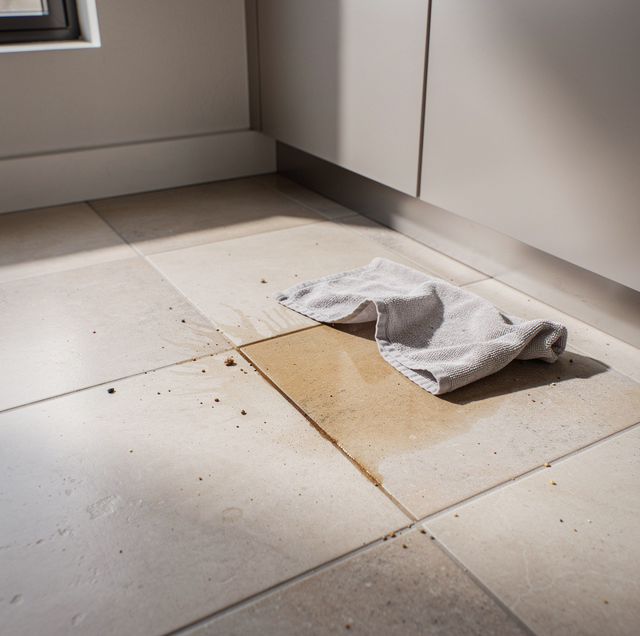
Quick Answer: A slab leak is a water-line leak under or within your foundation slab. It shows up as a warm floor spot, running-water sound with everything off, a spiking water bill, or damp flooring. A plumber finds it with electronic leak detection and repairs it by opening the slab at the leak, rerouting the line, relining it, or repiping.
A slab leak is a leak in one of the water lines that runs underneath or inside the concrete foundation slab your home sits on. Builders often route supply pipes through or beneath that slab before the concrete is poured, so a pinhole or split in one of those lines releases water into the ground and the concrete rather than into a visible fixture. Because the pipe is buried, the water has nowhere obvious to go. It saturates the soil under the foundation, wicks up through the slab, and can quietly waste hundreds of gallons before anyone notices a stain.
The reason a slab leak deserves fast attention is not only the wasted water. Water moving through the soil under a foundation can wash out the fill that supports the slab, and constant moisture inside a wall or under flooring feeds mold that stays hidden until it spreads. Understanding what the problem is, and why it starts, makes the repair choices that follow much easier to weigh.
Why Slab Leaks Happen
A slab leak almost never starts for a single reason. The pipe is usually reacting to years of chemistry, movement, and pressure working on it at once. Knowing the common causes helps explain why a leak in one spot often signals trouble elsewhere in the same run.
Corrosion of copper pipe: Most older homes use soft copper for the under-slab supply lines. Copper resists corrosion well, but water with an aggressive pH or high mineral content slowly eats the pipe wall from the inside. Over decades, the wall thins until it fails.
Abrasion from expansion and contraction: Hot-water lines expand when carrying hot water and shrink as they cool. A pipe held snug against concrete, a rebar tie, or an aggregate edge grinds against that hard surface every time it moves. That rubbing wears a groove in the copper until it wears through. Hot-water lines fail this way more often than cold ones because they cycle through a wider temperature swing.
Poor installation: A pipe kinked during the pour, a fitting soldered cold, or a line laid directly on sharp fill instead of a protective sleeve all create a weak point that gives out early.
High water pressure: Pressure above the normal 40 to 60 psi range stresses every joint and thin spot in the system. It accelerates both corrosion and abrasion, so a leak that might have taken thirty years surfaces in fifteen.
Soil movement: Ground that swells when wet and shrinks when dry shifts the slab and the pipes cast into it. Enough movement bends or shears a line, or presses it harder against the concrete around it.
Pinhole corrosion: Sometimes a tiny electrochemical reaction, often tied to stray electrical current or a specific water chemistry, drills a single pinhole clean through an otherwise healthy pipe. One pinhole can leak steadily for months.
The Warning Signs You Can Notice
You cannot see a slab leak, but the house gives signals. Catching one early is the difference between a small repair and a saturated foundation.
A warm spot on the floor: When the leak is on a hot-water line, heated water pools under one area of the slab and warms the flooring above it. A patch of tile or wood that feels warm underfoot with no heat source is one of the clearest signs.
Running water with everything off: Shut off every faucet, appliance, and fixture, then listen near the floor. A faint hiss or trickle that continues means water is still moving somewhere it should not, often under the slab.
An unexplained water-bill spike: A bill that jumps with no change in how the household uses water points to a leak somewhere in the system. Under-slab leaks are a frequent culprit because they run continuously and invisibly.
Damp or warped flooring: Moisture wicking up through the slab lifts and cups wood planks, loosens tile, or leaves carpet damp in one area. A musty smell often rides along with it.
Low water pressure: Water escaping under the slab means less reaches your fixtures, so pressure drops across the house.
New cracks: As soil under the foundation washes out or swells, the slab can shift and open hairline cracks in floors, walls, or ceilings.
A hot-water slab leak that pushes standing water toward an outlet, appliance, or panel is both a scald and a shock hazard. Stay clear of any pooled water near electrical, and do not ignore a running-water sound or a warm floor spot, since both mean water is already moving where it should not.
How a Plumber Finds the Leak Without Tearing Up the Floor
The old approach was to break out concrete until the wet pipe appeared. Electronic leak detection replaced that. A plumber layers several methods to narrow the location to within inches before any concrete is touched.
Acoustic listening: Water escaping a pressurized pipe makes a distinct sound as it hits the slab and soil. Ground microphones and amplified headphones let the plumber hear that sound through the concrete and follow it to its loudest point.
Pressure isolation: By closing valves and pressurizing sections of the plumbing one at a time, a plumber can tell whether the leak sits on the hot or cold line and which branch is losing pressure. A gauge that drops when a section is isolated points to the failing run.
Thermal imaging: An infrared camera reads surface temperature through the floor. A hot-water leak shows as a warm plume, and even a cold-water leak can show as a cool, damp zone against the surrounding slab.
Electronic line locating: Once the general area is known, a locator traces the exact path and depth of the pipe under the concrete. That is what turns a rough zone into a single spot small enough to open.
Think of it as tuning a radio: each method sharpens a fuzzy signal until the static resolves into one clear point on the floor. Combining them keeps the plumber from cutting the slab in the wrong place.
The Repair Options
Once the leak is pinned down, the right fix depends on the pipe's age, the leak's location, and whether the rest of the piping is sound.
Spot repair: For a single, well-located leak in an otherwise healthy pipe, a plumber opens a small section of the slab directly over the leak, cuts out the damaged length, and splices in new pipe. It is the most targeted option and disturbs the least flooring, but it fixes only that one spot.
Rerouting or bypassing: Rather than open the slab at all, a plumber can abandon the failed under-slab line and run a new pipe overhead through the attic or through the walls to reconnect the fixture. Rerouting makes sense when the buried line is hard to reach or when opening the slab would damage finished flooring that is costly to restore.
Full repipe: When one under-slab line has failed from corrosion, the others of the same age and material are often close behind. A full repipe replaces the home's supply lines, typically routed overhead in newer piping, so you are not chasing one leak after another. It is the largest job but ends the recurring-leak cycle.
Epoxy pipe lining: In some cases, a plumber can clean the existing pipe and coat its interior with an epoxy that seals pinholes and small breaches from the inside, forming a new pipe within the old one. It suits certain layouts and pipe conditions and avoids breaking the slab, though it is not right for a badly deteriorated line.
Leak location and every one of these repairs is licensed professional work. Isolating a section under pressure, cutting concrete safely, and re-plumbing to code are not do-it-yourself tasks, and a wrong guess about the location means an opened floor for nothing.
Why Catching It Early Matters
A slab leak does its worst damage slowly and out of sight. Left alone, the escaping water keeps washing soil from under the foundation, and an undermined slab can settle unevenly and crack. The same constant moisture feeds mold inside walls and under flooring, where it grows unseen until the smell or the health effects give it away. Addressing a slab leak promptly, while it is still a small wet spot rather than a saturated foundation, keeps a plumbing repair from turning into a foundation and remediation project. The warning signs above are worth acting on the day you notice them.
Frequently Asked Questions
Yes. When escaping water erodes the fill supporting one part of the slab, that section can settle before moisture ever reaches the surface. The first symptom some owners see is a new diagonal crack above a door or window, or a door that suddenly sticks in its frame, rather than anything wet. That is why a fresh structural crack paired with a higher water bill is worth a leak check.
The term slab leak refers to pressurized fresh-water supply lines, since those leak continuously under pressure and drive the warm-spot and pressure-loss signs. A drain or sewer line under the slab can also break, but it leaks only when water is running through it, so it behaves differently. A plumber can run a camera down the drain line to check it, which is a separate inspection from acoustic supply-line detection.
Coverage usually turns on the cause and on the resulting damage rather than the pipe itself. Many policies help with the cost of accessing and repairing the water damage from a sudden leak but exclude the corroded pipe as normal wear. Because policy language varies, the smart step is to document the leak and the detection findings before repairs begin so you have a record if you file a claim.
Homes with a crawl space or a raised pier-and-beam foundation do not have supply lines cast into concrete, so they do not get true slab leaks. Their pipes run in the accessible space below the floor, where a leak drips into the crawl space and can be seen and reached directly. Slab leaks are specific to slab-on-grade construction, where the pipe is locked in or under the poured concrete.
If the leaking branch can be isolated at a valve, a plumber can often shut off just that line and leave the rest of the house in service until the repair. If no isolation valve reaches the leak, running water keeps feeding it, so the safer move is to shut the main and use water sparingly. Reducing use limits how much more soil the leak can wash out before it is fixed.
Lowering the water heater temperature will not stop an existing leak, but it can slow the abrasion that causes hot-line failures. A cooler setting narrows the temperature swing the pipe goes through, so it expands and contracts less and grinds against the concrete less. It is a small preventive measure for the future, not a fix for a pipe that has already worn through.
Book a slab leak detection before a wet spot becomes a foundation problem — pinpoint the leak fast and keep the repair small. American Discount Plumbing serves Phoenix, Scottsdale, and the Valley. ROC #150707. Call (602) 883-2787.
