

American Discount Plumbing vs. the big national chains
Phoenix Conditions That Damage Pipes
Valley pipes face a specific set of stresses. Knowing them is how we diagnose faster and repair smarter.
Slab construction and soil movement
Most Valley homes are built on a slab, and our soils swell and shrink with moisture, flexing the copper supply lines embedded in the concrete until a pinhole forms. Slab-related pipe failures are a predictable Phoenix problem, and locating them precisely is what keeps a repair from becoming a torn-up floor.
Hard water and copper corrosion
Phoenix water is hard and can be aggressive to aging copper, which contributes to the pinhole leaks we repair throughout the Valley. A single pinhole in an older copper system is worth an honest look at whether it is a one-off or a sign the pipe is reaching the end of its life.
Older galvanized pipe in mid-century homes
Homes from the Valley's earlier decades sometimes still have galvanized supply pipe, which corrodes from the inside, restricting flow and eventually leaking. When low pressure and rusty water show up together in an older home, aging galvanized pipe is often the reason, and we know how to confirm and address it.
Heat, freeze, and exposed pipe
Exposed pipe in attics, on exteriors, and at hose bibs takes a beating from summer heat and the Valley's few hard freezes, both of which can crack a line or blow a fitting. After a cold snap or a brutal heat stretch, these are common repair calls, and usually quick ones.
Monsoon stress and outdoor lines
Monsoon storms and the irrigation systems that run in our climate put stress on outdoor and underground lines, where a leak can hide for a long time. We locate and repair these so a slow outdoor leak does not quietly run up a bill or undermine a slab.
Tree and shrub roots on drain lines
Mature desert landscaping and older trees send roots toward the moisture in drain lines, where they intrude at joints and cause leaks and blockages. We repair the affected drain piping and address how the roots got in, rather than just clearing it and waiting for the next backup.
High water pressure wearing out the whole system
If a home's incoming pressure is set too high, it stresses every pipe, joint, and fitting, leading to repeat leaks across the house. When we see that pattern, we check the pressure and the regulator rather than just repairing the same failures again. See our pressure regulator page.
The Pipe Repair Details That Matter
Doing a pipe repair right means understanding what failed and why. Here is some of what experience on Valley pipe has taught us.
Copper, CPVC, PEX, and galvanized
Each pipe material fails and repairs differently: copper develops pinholes from corrosion, galvanized rusts shut from the inside, CPVC can grow brittle, and PEX is flexible and corrosion-resistant. Identifying what you have, and repairing or transitioning between materials correctly, is what makes a repair last instead of failing again at the joint.
Why pipes fail in the Valley specifically
It is rarely random. Slab movement, hard-water corrosion, high pressure, heat and freeze cycling, and the age of the original material all drive Valley pipe failures. Reading which of these is at work tells us whether you have a one-time repair or a system that is starting to give out, which is the difference between a patch and a real fix.
Spot repair, section replacement, or repipe
A single failed joint is a spot repair, a run of bad pipe is a section replacement, and a home where the pipe is failing throughout is a repipe candidate. We make that call based on what we actually find, not on which job pays the most, and we explain it so you can decide with the full picture.
Supply leaks vs. drain leaks
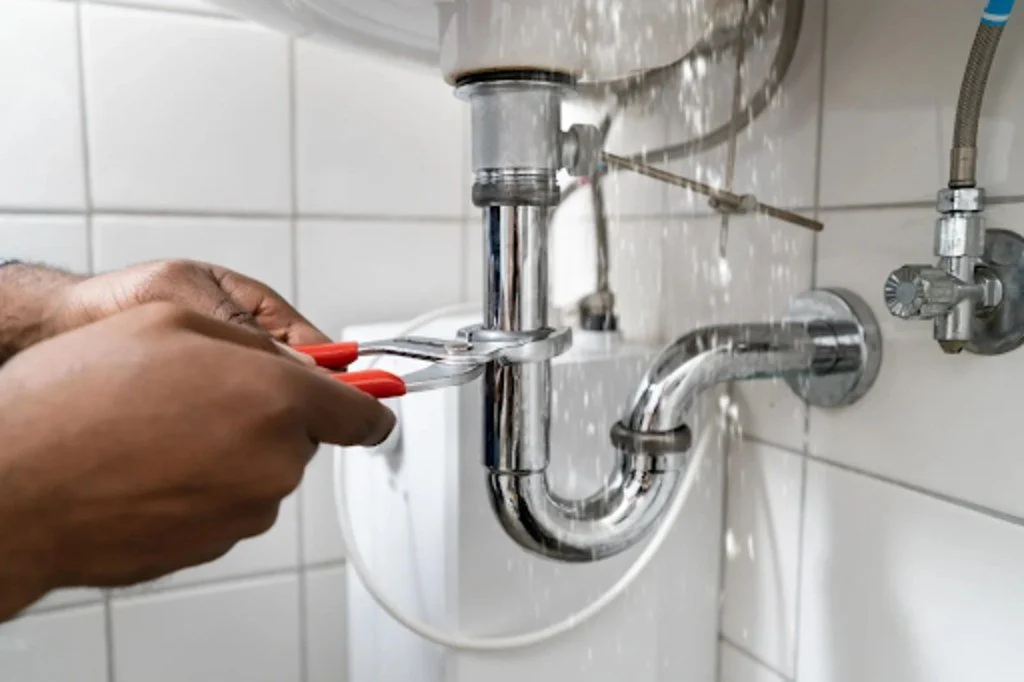
A pressurized supply leak leaks constantly and is often hidden, while a drain leak typically shows only when water is used. Telling them apart guides where and how we look and repair, and getting it right up front avoids chasing the wrong line, which is a common rookie mistake.
Isolating the problem and shutting off safely
Knowing where the shutoffs are and how a home is plumbed lets us isolate the repair and limit the disruption, and in a leak emergency it limits the damage. We help you understand your main shutoff too, because that knowledge protects your home long after we leave.
When to bring in leak detection
Not every leak announces itself. When the symptom is a high bill or a damp area with no visible source, the right move is precise detection before any demolition, not opening walls hoping to find it. We locate first, which protects your home and your wallet. See our leak detection page.
Catching pipe problems early
A weeping joint caught early is a quick fix; ignored, it becomes water damage, mold, or a failed section inside a wall. Paying attention to early signs, a small stain, a faint musty smell, a creeping bill, is what turns a looming problem into a contained repair, and we take those calls seriously.
Pipe Repair FAQs
Still have a question? Call Pavel (Paul) directly and get a straight answer, no phone tree.
(602) 883-2787
It depends on the pipe, the location, and whether the leak needs locating first, so we give you a clear written quote before any work. Call (602) 883-2787 for a free quote, and we will tell you plainly whether it is a simple repair or a bigger issue.
Shut off your water at the main if you can, then call us. We respond the same day for burst pipes and active leaks to stop the damage and repair the line. See our burst pipe page for more.
A single failed joint or section is a repair. A home where the pipe is failing in multiple places may be a repipe candidate. We base that call on what we actually find and explain the options plainly rather than pushing the bigger job.
It can be aging or corroding pipe, often older galvanized, or a pressure regulator issue. We diagnose whether a section repair, addressing the regulator, or a larger fix is the right answer. See our pressure regulator page.
Yes. For a leak with no visible source, we locate it precisely with detection equipment before opening anything, so we only open up where the leak actually is. See our leak detection page.
Copper, CPVC, and PEX for supply lines, and we repair common drain piping as well. We identify what your home has and repair or transition materials correctly so the fix lasts.
For burst pipes and active leaks, yes, we prioritize same-day response. For non-urgent repairs we schedule promptly.
Yes. Galvanized pipe corrodes from the inside and eventually restricts flow and leaks. We can repair sections and advise plainly on whether the aging pipe is worth continuing to patch or planning to replace.
Yes. Outdoor faucet and hose bib leaks are common in our heat-and-freeze climate, and we repair them. See our hose bib page for details.
We handle repiping case by case and will tell you plainly when it is warranted versus when a targeted repair is the smarter move. Main sewer line work we refer to a specialist.
What Our Phoenix Customers Say
Our reputation is built on honest work and fair prices, and our customers say it better than we can. Here are a few of our five-star Google reviews, with more shown live below.
“What a great company. Paul is great. Very professional and the work is the best. I would recommend him highly.”
“We had a leaking drain pipe inside the block wall behind the kitchen sink... Paul did a great job and was very careful while hammering out the block and cutting the existing pipes.”
Leaking or Burst Pipe? Call American Discount Plumbing
Get honest pipe repair from a licensed, family-owned Phoenix plumber who fixes the failed section and tells you the truth about your plumbing. For burst pipes and active leaks, we move the same day. Call now or send the form.
A real person answers. Same-day and emergency service available.
Request a Free Quote
No obligation. We will call you back fast.