
Gas Line Installation and Repair in Phoenix
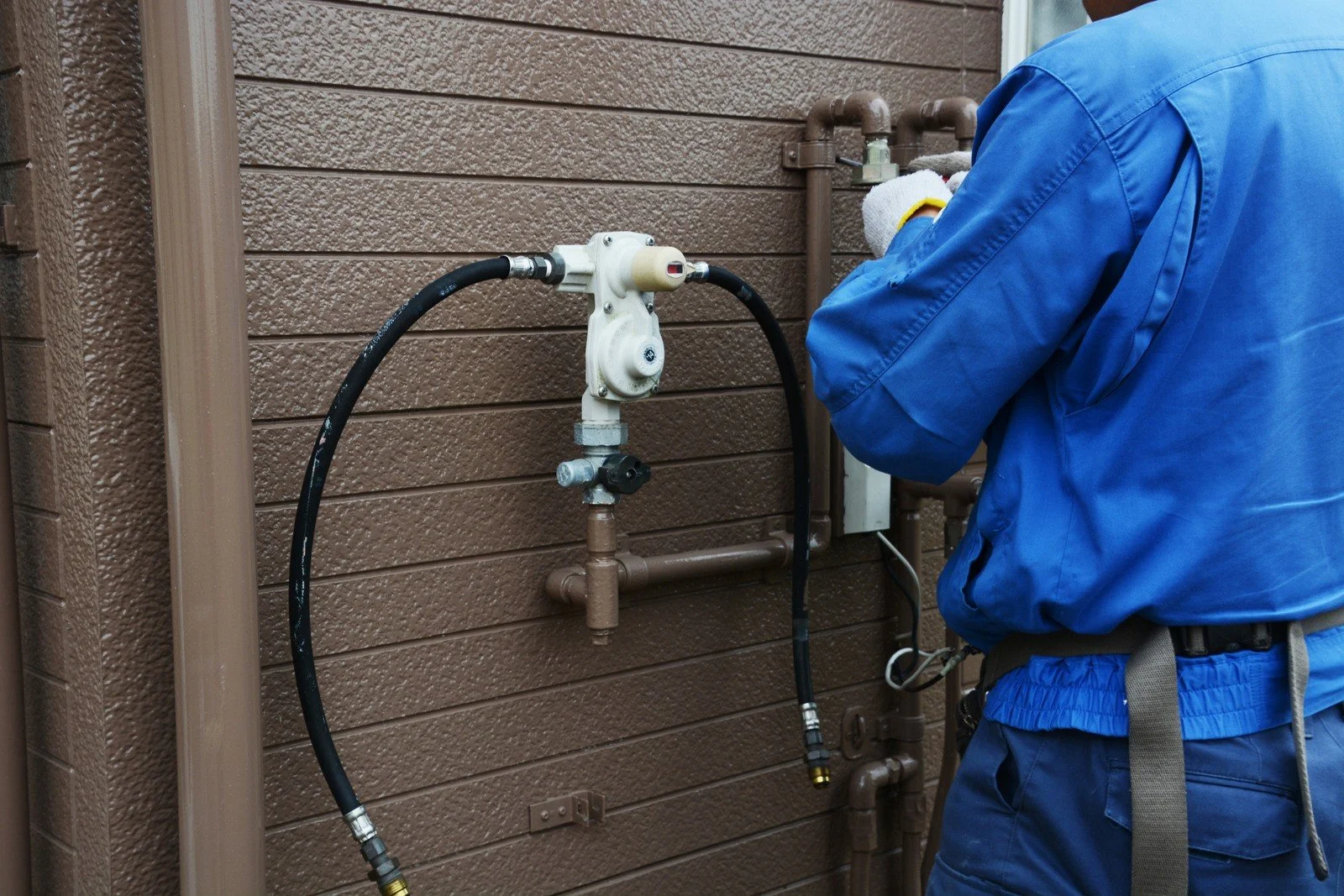
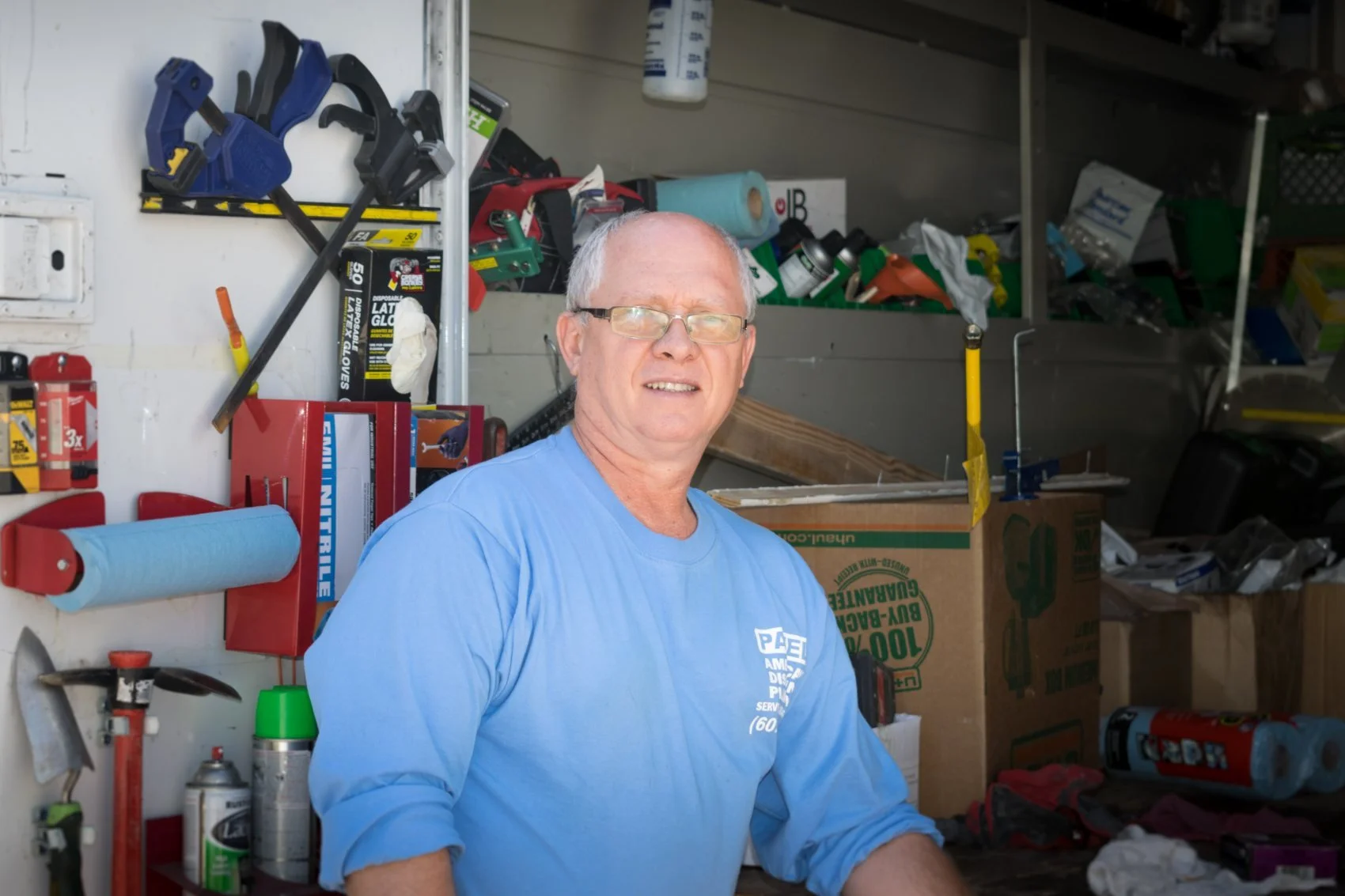
Gas line work is American Discount Plumbing's specialty, and it is not something to hand to a handyman. Owner Pavel Farcas (Paul) has more than three decades of gas line experience, and he runs new gas lines for ranges, dryers, BBQs, fire pits, whole-home repipes, and tankless conversions across Phoenix and the Valley. Every job is sized correctly, installed in the right material, pressure-tested, and permitted.
30-Year Specialty
Gas is what we are known for, with decades of experience behind every job.
Sized Correctly
We calculate the gas load so every appliance gets the supply it needs.
Right Material
Black iron, CSST, flexible line, or underground poly, matched to the job.
Permitted & Tested
We pull the required permits and pressure-test every line we run.
Indoor & Outdoor
Kitchens, laundry, whole-home, BBQs, fire pits, and tankless conversions.
Safety First
Gas is not a DIY job. We install it to code so it is safe for years.
30-Year Specialty
Gas is what we are known for, with decades of experience behind every job.
Sized Correctly
We calculate the gas load so every appliance gets the supply it needs.
Right Material
Black iron, CSST, flexible line, or underground poly, matched to the job.
Permitted & Tested
We pull the required permits and pressure-test every line we run.
Indoor & Outdoor
Kitchens, laundry, whole-home, BBQs, fire pits, and tankless conversions.
Safety First
Gas is not a DIY job. We install it to code so it is safe for years.
A gas line that is undersized, poorly joined, or never tested is a safety risk you cannot see. That is exactly why this is the kind of work experience matters most on, and why so many Valley homeowners and contractors call us specifically for gas. We do it in-house, to code, with the testing and permitting that keep your family safe and your project legal.

Sized right. Tested. Permitted.
Whether you are adding a gas range, plumbing an outdoor kitchen, converting to a tankless water heater, or extending gas to a new part of the house, one call gets you a real person who has done it hundreds of times.
30-Year Specialty
Gas is what we are known for, with decades of experience behind every job.
Sized Correctly
We calculate the gas load so every appliance gets the supply it needs.
Right Material
Black iron, CSST, flexible line, or underground poly, matched to the job.
Permitted & Tested
We pull the required permits and pressure-test every line we run.
Indoor & Outdoor
Kitchens, laundry, whole-home, BBQs, fire pits, and tankless conversions.
Safety First
Gas is not a DIY job. We install it to code so it is safe for years.
Three Things That Make Gas Line Work a Specialist's Job
Plumbing a water line wrong gives you a leak. Plumbing a gas line wrong can be dangerous. Here is what real gas work requires, and why we do not treat it casually.
It is a safety and code job, not a handyman job
A gas line carries fuel under pressure, so a missed joint, the wrong material, or a skipped test is not a small mistake. This is licensed work for a reason, and it requires permits and inspection. We are AZ ROC licensed and treat every gas line as the safety-critical job it is.
The right material for the application
Gas piping is not one-size. Black iron is the workhorse for many runs, CSST is flexible corrugated tubing that routes easily but must be bonded against lightning, flexible connectors finish the appliance hookup, and underground runs need the right poly or coated pipe. Choosing correctly for each part of the job is something only experience teaches.
Correct sizing, testing, and permitting
Every appliance has a gas demand, and the whole system has to be sized so nothing starves when multiple things run at once. After installation, the line is pressure-tested to confirm it holds, and the work is permitted and inspected. Skip any of these and you have a system that may work today and fail dangerously later.
Gas Line Services We Provide
From a single appliance run to a whole-home gas system, we handle it. We also install, extend, reroute, and cap gas lines.
Appliance and kitchen gas lines
New gas range or cooktop line, from the stub or the meter
Gas dryer line
Electric-to-gas conversion for ranges and dryers
Whole-home gas repipe and extensions
Capping and safely removing unused gas lines
Outdoor and specialty gas lines
BBQ and grill stub-outs with quick-disconnect couplings
Fire-pit gas lines
Outdoor-kitchen multi-appliance runs
Tankless water heater gas line and resize (see our tankless page)
Materials we work in
Black iron pipe
Galvanized pipe
CSST flexible corrugated tubing (TracPipe, Gastite, HOME-FLEX), properly bonded
Stainless steel flexible appliance connectors
Coated and poly pipe for underground runs
The gas work other shops send away, we do
Pool-heater gas lines: yes, we run and connect them
Whole-home generator gas hookups: yes, we handle these
Gas leak detection and repair: yes (see our gas leak repair page)
The gas work other shops send away, we do
Pool-heater gas lines: yes, we run and connect them. Whole-home generator gas hookups: yes, we handle these. Gas leak detection and repair: yes (see our gas leak repair page).
How a Gas Line Project Goes With Us
Methodical and safe, every time. Here is what to expect.
You reach a real person
Call (602) 883-2787. Tell us what you are adding or moving, a range, a dryer, a BBQ, an outdoor kitchen, or a tankless conversion, and where it needs to go.
We assess the route and the load
We look at where the gas has to come from, the best route, and the total gas demand, so the system is sized right and nothing starves when several appliances run.
You get a written quote and we handle the permit
Clear pricing up front, and we pull the required permit and coordinate inspection so the work is legal and documented.
We install in the right material
We run the line in the correct pipe for each section, bond CSST where used, add a sediment trap at appliances, and make clean, code-correct connections.
We pressure-test and verify
Before anything is put into service, we pressure-test the line to confirm it holds and check every connection. Safety is confirmed, not assumed.
We complete inspection and back it up
We see the inspection through and stand behind the work. You end up with a safe, permitted gas system.
What Gas Line Work Costs in Phoenix
Gas line pricing depends heavily on the run, the distance, the material, and how many appliances are involved, so we quote it clearly in writing after looking at the job rather than guessing over the phone.
What affects the price
The main drivers are the length and difficulty of the run, whether it is a simple stub-out or a long run through walls, attic, or underground, the material required, the number of appliances, and any gas resize needed for a high-demand appliance like a tankless water heater. We explain the scope before we start.
How our pricing works
Free quote on your gas line project. Call (602) 883-2787.
Permitting and pressure testing are part of doing the job right and are included in the scope we quote.
The quoted price is the price. No surprise add-ons.
Why Homeowners and Contractors Call Us Specifically for Gas
Gas is the work people are most careful about hiring for, and it is the work we are best known for.
Three decades of gas, done the safe way. Gas line work is Pavel's (Paul's) specialty, with more than thirty years of hands-on experience across Valley homes and projects.
General contractors and homeowners call us specifically for gas because so many plumbers either sub it out or avoid it, while we do it in-house, to code, with permitting and pressure testing on every job.
Honest, careful, and licensed: the same reputation that runs through all of our reviews is exactly what you want on the line that carries gas into your home.
American Discount Plumbing vs. the big national chains
Gas is the one job where a shortcut can be dangerous. Here is an honest look at how a local, owner-operated gas specialist stacks up against the large national and franchise chains.
Phoenix Conditions That Affect Gas Line Work
Gas line work in the Valley has its own local realities. Here is what shapes how we do it.
Older homes were plumbed for less gas
Many central Phoenix, Arcadia, and mid-century homes were piped with a half-inch line sized for a single furnace and a tank water heater. Add a gas range, a dryer, and a tankless unit, and that original line cannot keep up. A big part of our work is upsizing and extending older gas systems to handle modern demand safely.
Outdoor kitchens and fire pits are a Valley lifestyle
With our climate, outdoor living is a year-round thing here, so gas BBQ stub-outs, fire pits, and full outdoor kitchens are some of our most-requested gas jobs. These outdoor runs need the right materials and proper protection from the elements, which we handle as a matter of routine.
Monsoon and lightning make CSST bonding essential
CSST flexible gas tubing is convenient, but in a heavy-lightning region like ours it must be properly bonded and grounded, because a nearby strike can otherwise arc to it. This is a code requirement and a real safety issue here, and it is exactly the kind of detail a non-specialist misses.
Slab homes and underground runs
Reaching a detached casita, a pool-area kitchen, or an outdoor fire feature often means running gas underground across a Valley yard. That calls for the correct coated or poly pipe, proper depth, and protection, all of which we do to code so the line lasts in our soil.
Tankless conversions drive gas resizes
The Valley's move toward tankless water heaters frequently runs into the same wall: the existing gas line is too small to feed a tankless unit firing at full demand. We size and run the larger line these conversions need, which is why our tankless installs actually deliver their rated performance.
Permitting varies across Valley cities
Gas work requires permits and inspection, and the process differs across Phoenix, Scottsdale, Glendale, and the other Valley municipalities, along with coordination with the gas utility. We handle the permitting so your project is legal and documented, which matters for safety and at resale.
Snowbird and rental homes need careful gas checks
Homes that sit empty for part of the year, common in the Sun City communities and rental-heavy areas, benefit from a careful check of gas connections and shutoffs when reopened. We make sure aging gas systems in seasonal homes are safe before they are put back into use.
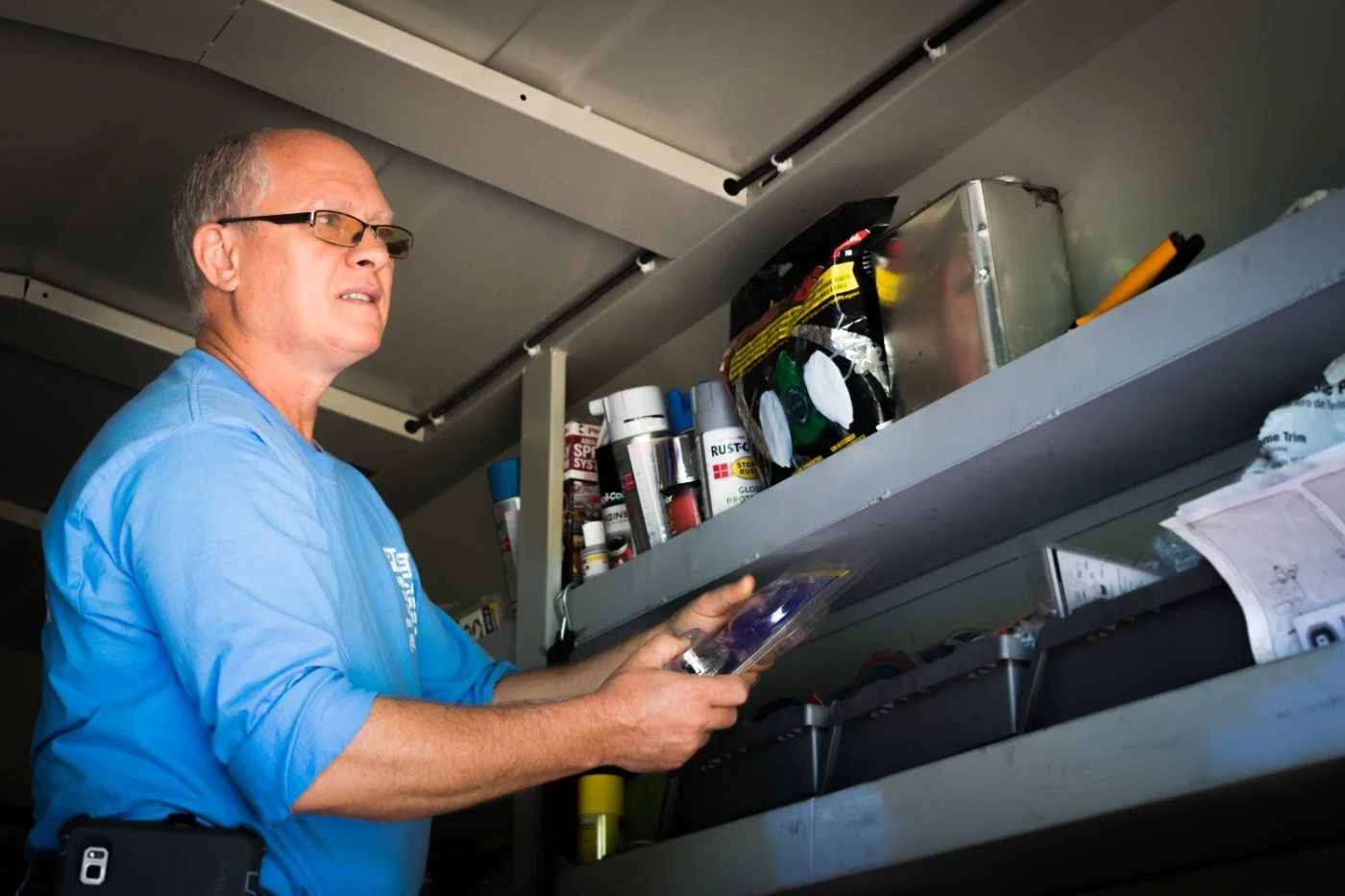
The Gas Line Details That Keep Your Home Safe
Gas is unforgiving of shortcuts. Here is some of what three decades of gas work has taught us.
Gas load and pressure-loss sizing
Every gas appliance has a BTU demand, and a system has to be sized so the total can run without pressure dropping below what each appliance needs. That means a real calculation based on appliance loads, pipe length, and fittings, not a guess. Proper sizing is the difference between a tankless unit and a furnace running fine together and one starving the other.
Black iron, CSST, flex, and poly, and when to use each
Black iron is durable and standard for many interior runs. CSST routes through framing quickly but requires bonding. Flexible connectors make the final appliance connection. Coated or poly pipe handles underground. Matching material to the section of the run, rather than forcing one type everywhere, is what makes an install both safe and practical.
CSST bonding and lightning protection
In our lightning-heavy monsoon climate, CSST must be bonded to the home's grounding system so a nearby strike cannot arc through the tubing and puncture it. This is a code requirement that exists because of real failures, and verifying it is part of how we protect a home that has CSST.
Sediment traps and proper appliance connections
At each gas appliance, a sediment trap, sometimes called a drip leg, catches debris and moisture before it reaches the valve, and the connection is made with the correct flexible connector and shutoff. These small details are code for a reason and are easy to skip, and we include them as standard.
Pressure and leak testing
A finished gas line is pressurized and watched to confirm it holds before it is ever put into service, and connections are checked for leaks. This is the step that proves the work is safe rather than assuming it. We never skip it, because a line that is not tested is a line you are trusting on faith.
Permitting and inspection with the utility
Gas work is permitted and inspected, and it involves coordinating with the gas utility for metering and service. We handle that process so your installation is legal, documented, and signed off, which protects you on safety and at resale alike.
Why DIY and handyman gas work is dangerous
Gas is the one area where cutting corners can be catastrophic, not just inconvenient. An unpermitted, untested, or improperly sized gas line can leak, fail an inspection, void insurance, or worse. Hiring a licensed specialist for gas is not an upsell, it is basic safety, and it is the work we built our name on.
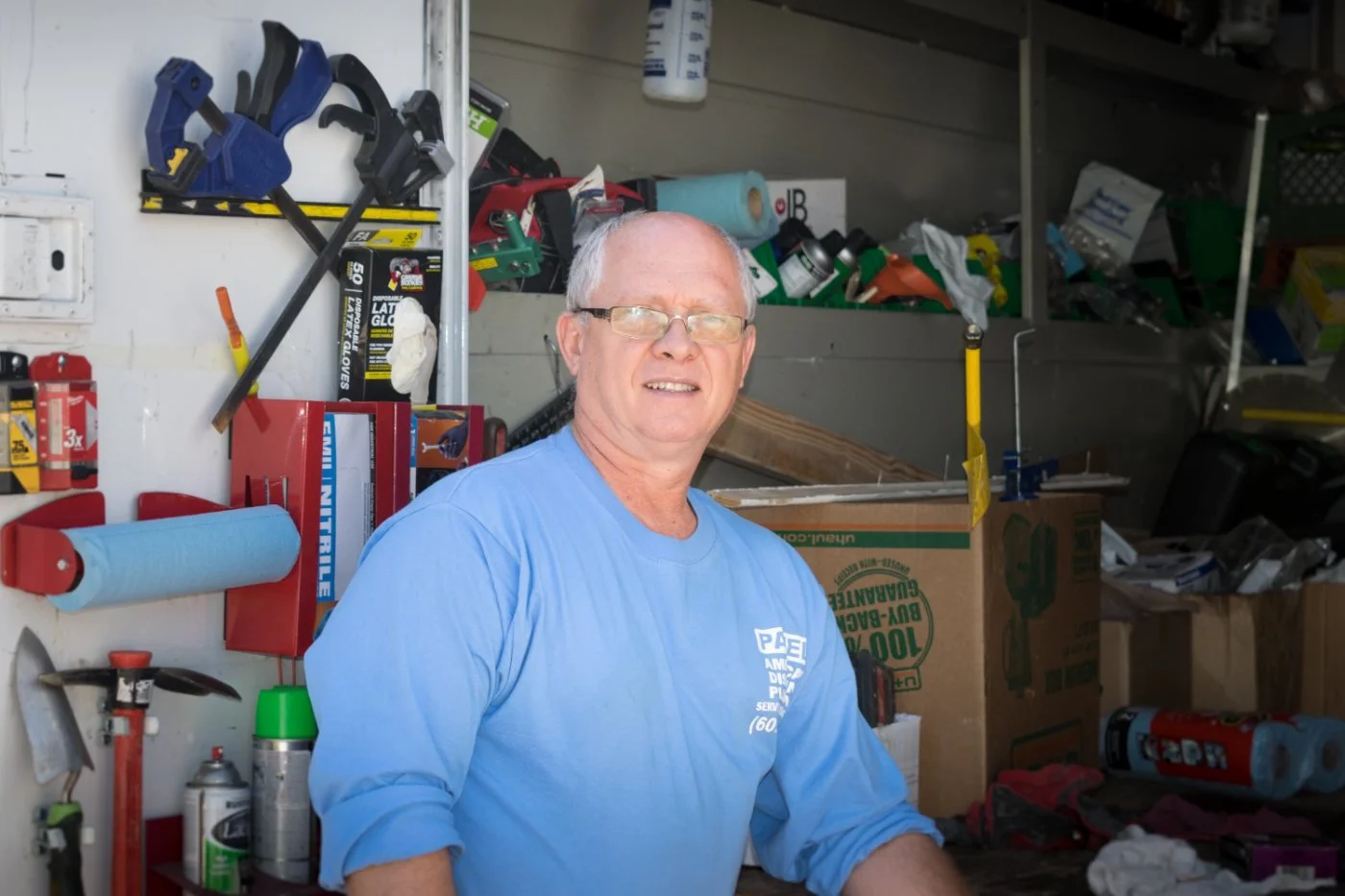
Gas Line FAQs
Still have a question? Call Pavel (Paul) directly and get a straight answer, no phone tree.
(602) 883-2787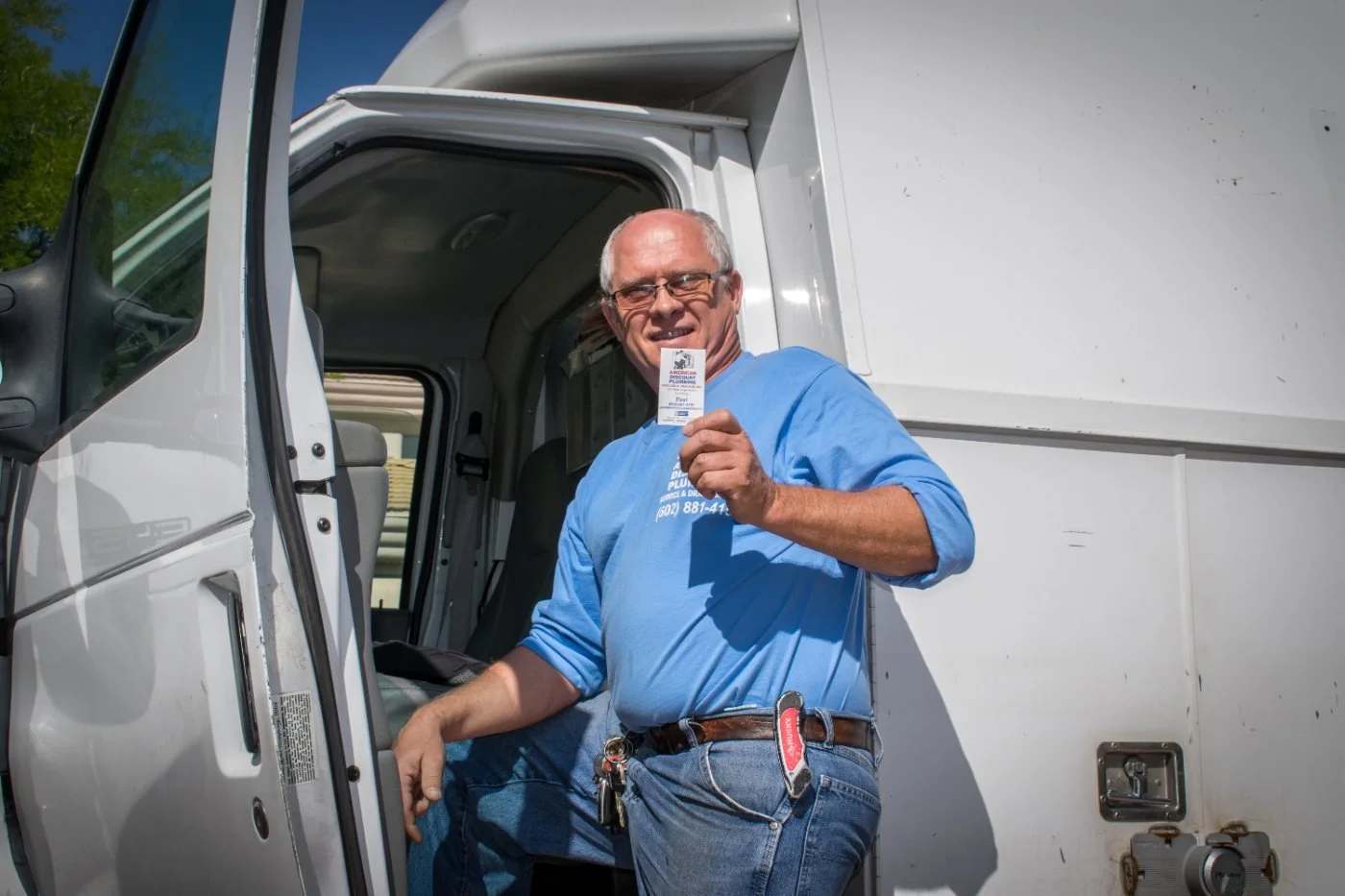
It depends on the length and difficulty of the run, the material, and the number of appliances, so we give you a clear written quote after looking at the job. Call (602) 883-2787 for a free quote. Permitting and pressure testing are part of doing it right and are included in the scope.
Yes. Gas line work is permitted and inspected, and we handle the permit and coordinate inspection and the gas utility so your project is legal and documented.
Yes. New gas range, cooktop, and dryer lines are common jobs for us, including converting an electric appliance to gas.
Absolutely. Outdoor BBQ stub-outs with quick-disconnect couplings, fire-pit lines, and full outdoor-kitchen runs are some of our most-requested gas jobs. See our outdoor gas lines page.
Yes, and it is often necessary. Many Valley homes have a gas line too small to feed a tankless unit at full demand. We run the larger line so the unit performs as rated. See our tankless water heater page.
Yes. We run and connect gas lines for pool heaters and whole-home generators, along with ranges, dryers, BBQs, fire pits, tankless, and whole-home gas. We are certified for gas work, and it is our specialty.
Yes, when it is installed and bonded correctly. In our lightning-heavy climate, CSST must be properly bonded to the home's grounding system, which is a code requirement and something we always verify.
We size it correctly, install it in the right material with proper connections and sediment traps, pressure-test it to confirm it holds, and see it through permit and inspection. Safety is confirmed, not assumed.
Leave the house, do not flip switches or light anything, and call from outside, your gas utility first for an active leak, then us. We also offer gas leak detection and repair; see that page.
Because gas is the one job where a shortcut can be dangerous. Licensed, permitted, tested gas work protects your family, your insurance, and your home's resale. It is the specialty we built our reputation on.
What Our Phoenix Customers Say
Our reputation is built on honest work and fair prices, and our customers say it better than we can. Here are a few of our five-star Google reviews, with more shown live below.
“Highly recommend Pavel! Very reliable and honest. He showed up on time, explained everything clearly, and did excellent work. It’s hard to find a plumber you can truly trust, and he’s definitely one I’d recommend to friends and family.”
“Paul is the best plumber I have ever used and unfortunately I’ve used a few. He is professional, does amazing work and his prices are very fair.”
Need Gas Line Work Done Right? Call American Discount Plumbing
Get gas line work from a licensed, family-owned Phoenix plumber with a 30-year gas specialty, who sizes it correctly, installs it safely, and tests and permits every line. Call now or send the form.
A real person answers. Same-day and emergency service available.
Request a Free Quote
No obligation. We will call you back fast.
Thirty years of gas, done safely and to code. That is the American Discount Plumbing difference.