

What to Do First When a Pipe Bursts and Floods the House
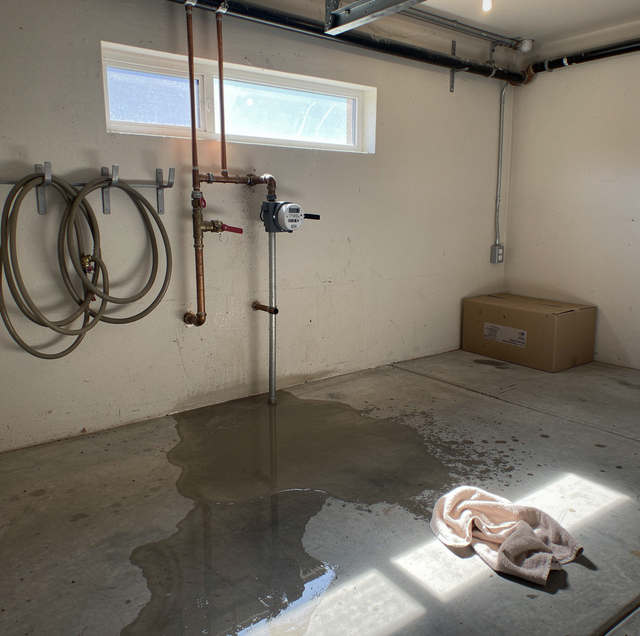
Quick Answer: Shut off the main water valve first, then cut power to any area where water is near outlets or the panel. Stop the flow at the closest fixture shutoff if you can reach it, move belongings out of the water, photograph the damage, and call a plumber before you start any cleanup or repair.
Water is spreading across the floor faster than you can grab towels, and somewhere behind a wall or under a cabinet, a pipe has burst. A burst pipe does not wait for a convenient moment. It can happen on a freezing night when trapped water expands inside a line, in a decades-old section of galvanized pipe that finally corrodes through, or the instant a pressure surge finds the weakest joint in the system on an ordinary afternoon. Whatever the cause, the first few minutes determine how much of your home ends up wet, how much you spend drying it out, and how smooth your insurance claim turns out.
Shut Off the Main Water Valve Right Away
Every second the pipe stays pressurized, more water pours into the house. Your first move, before you grab a mop or reach for the phone, is to find the main shutoff and turn it fully closed. In most homes, it sits where the main supply line enters the house: near the water meter, in a basement or utility closet, or in a small box at ground level along an outside wall. The valve is usually a round wheel handle that turns counterclockwise, or a lever-style ball valve that requires only a quarter turn to close.
If you have never located this valve, walk through your home now and find it before an emergency forces you to search under pressure, literally. A valve that has not been touched in years can be stiff or even seized, so turn it firmly but avoid forcing a handle so hard it snaps off in your hand. If the main valve will not budge, look for the shutoff at the street-side meter box, which usually requires a meter key or a pair of pliers to turn.
Closing the main stops the source. Everything else you do afterward is about limiting the damage that water has already caused and making sure nobody gets hurt cleaning it up.
Cut Power to Any Wet Area
Water and electricity sharing the same floor is a real hazard, not a minor inconvenience. If flooding is anywhere near outlets, a plugged-in appliance, a light fixture, or the electrical panel itself, do not walk through that water to reach a switch. Instead, go to the breaker panel from dry ground and shut off the circuits feeding the affected rooms, or shut off the main breaker if you are not sure which circuits are involved.
Never touch a wet outlet, a submerged extension cord, or an appliance sitting in standing water, even if you think the power is off. If reaching the panel means stepping through water to get there, stop and call your utility or a plumber instead of taking the risk yourself. A flooded basement with a water heater, sump pump, or furnace nearby warrants extra caution, since these appliances are wired and located close to the leak.
Stop the Flow at the Closest Shutoff If You Can Reach It
The main valve controls the whole house, but many fixtures have their own shutoff too: a small valve under a sink, behind a toilet, or beside a washing machine. If the burst pipe feeds one specific fixture and that local valve is easy to reach without wading through deep water, closing it can slow or stop the flow while you deal with the main valve or wait for help.
This step is optional, not a substitute for the main shutoff. A burst supply line under a slab or inside a wall usually has no accessible local valve, so the main is still your fastest and most reliable stop. Use the local valve when it is quick and safe to reach; skip it and go straight to the main if there is any doubt.
Get the Water Moving Out of the House
Once the source is shut off, standing water needs somewhere to go. Open a low-lying door or window to help water drain outside, then start moving it out with towels, a wet/dry vacuum, buckets, or a mop, whichever you have on hand. Speed matters here almost as much as it did with the valve: water that sits on the floor, soaks into the drywall, or pools under cabinets for more than a day or two creates the conditions mold needs to take hold.
Move furniture, rugs, electronics, and anything on the floor out of the wet area before it soaks through. Lift what you can onto blocks or a dry surface rather than dragging it back into the same puddle. If carpet or padding is thoroughly soaked, pulling it up and propping it to dry, or removing it entirely, slows the clock on mold far more than leaving it in place and running a fan over it.
Open windows and run fans to move air across wet surfaces once it is safe to do so. A dehumidifier helps in an enclosed room. None of this replaces a professional water-damage assessment for a serious flood, but getting ahead of standing water in the first hour makes that assessment go a lot better.
Call a Plumber Before You Touch the Damaged Pipe
Once the water is shut off and the immediate flooding is under control, the next call is to a plumber, not to attempt a repair yourself. A burst pipe is rarely an isolated event. The section that failed tells a plumber something about the age, material, and pressure of the rest of the system, and a repair that ignores that context often means a second failure somewhere nearby within months.
Describe what you are seeing when you call: where the water is coming from, whether it is a steady flow or a spray, and whether you were able to shut off the main. That information helps a plumber arrive prepared with the right materials rather than needing a second trip. Until a plumber has inspected the line, avoid patching the pipe yourself with tape or a clamp and turning the water back on, since a rushed patch under full house pressure tends to fail again, often worse than the first time.
If the burst happened somewhere hidden, inside a wall cavity or under the flooring, resist the urge to open up drywall or pull up boards to look for it yourself. A plumber can trace the line and confirm exactly where the damage is before anything is cut open, which keeps the repair contained rather than turning into a larger demolition project.
Document the Damage Before Cleanup Begins
Insurance claims move faster and go smoother when there is a clear record of what happened before repairs started. Once everyone is safe and the water is shut off, take photos and short videos of the flooded area, the source of the leak if you can see it, and anything damaged: flooring, baseboards, furniture, boxes, appliances. Wide shots that show the extent of the water and close-ups of specific damaged items both help.
Note the time you noticed the leak and the time you shut off the main, along with any weather conditions if a freeze was involved. Keep receipts for anything you buy to manage the situation, such as a wet/dry vacuum rental, fans, or temporary repairs, since many policies reimburse reasonable mitigation costs. Call your insurance company as soon as you reasonably can, describe what happened, and ask what documentation they need and whether they want to send an adjuster before any repairs or demolition begin.
A plumber's assessment of the failed section, paired with your photos and a clear timeline, makes it much easier for an adjuster to approve the case than a verbal description after the fact.
What Actually Causes a Pipe to Burst
Understanding why pipes fail helps explain why this is not a one-season problem. Three mechanisms cause most bursts, and none of them is limited to a single time of year.
Freezing: Water expands as it turns to ice, and a section of pipe with no room to expand can split under that pressure. This happens most often in pipes running through an exterior wall, an unheated garage, a crawl space, or an attic, anywhere insulation is thin and cold air can reach the line during a hard freeze.
Age and corrosion: Galvanized steel pipe corrodes from the inside over decades, and even copper thins over enough years of mineral-heavy water passing through it. The pipe wall eventually gets thin enough that ordinary daily pressure is enough to punch through it, with no freeze or surge required at all.
Pressure surges: A sudden spike in water pressure, whether from a water hammer when a valve closes fast, a failing pressure regulator, or a municipal supply issue, stresses every weak point in the system at once. A joint or a thinned section with years of life left under normal pressure can fail immediately when it experiences a surge.
In practice, a burst pipe is often two of these working together: an aging pipe that a freeze finally finishes off, or a corroded section that gives out the moment pressure spikes. That is why the same house can see a pipe fail in the middle of summer just as easily as during a cold snap.
Preventing the Next Burst
Once the immediate emergency is handled, a few steps lower the odds of a repeat. Insulating exposed pipe in unheated spaces protects against freezing. Having aging galvanized or corroded lines inspected and replaced before they fail on their own schedule removes one of the biggest risk factors. Installing or testing a pressure-reducing valve helps keep the whole system running at a safer pressure when the incoming water pressure is high. None of these guarantee a pipe will never fail again, but each one removes a real cause rather than just reacting to the next flood.
Frequently Asked Questions
Check where the water line enters the house first: a utility room, a basement wall, a closet near the water heater, or a box at ground level along an exterior wall. It is usually a wheel handle or a lever near the water meter. If you cannot find it inside, the shutoff at the meter itself, often at the curb or property line, will also stop the flow, though it may need a meter key or pliers to turn.
No. If water is anywhere near an outlet, appliance, or the panel itself, do not walk through it to shut off power. Reach the panel from dry ground only; if that is not possible, shut off the power at the utility level or wait for a professional rather than crossing wet flooring to get there.
It is best to leave the pipe alone once the water is shut off. A quick patch with tape or a repair clamp can fail again under full pressure, sometimes worse than the original break, and it can also mask what a plumber needs to see to diagnose why the pipe failed in the first place. Focus on water removal and safety, and let a plumber handle the pipe itself.
It depends heavily on the size of the break and how long it runs before anyone finds it, but hours of unattended flow from even a modest crack can soak flooring, drywall, and insulation throughout a room and beyond. This is one reason a whole-house leak detection or automatic shutoff device is worth considering, since it can close the main valve automatically the moment it senses an abnormal flow.
Most policies cover sudden and accidental water damage from a burst pipe, including the cost to repair flooring, drywall, and belongings, though coverage details and any exclusions vary by policy. Damage that resulted from a maintenance issue you knew about and ignored is more likely to be questioned. Photograph the damage, keep records of when it happened, and contact your insurer promptly to start the claim with good documentation in hand.
Yes. Freezing is only one of three main causes. An old, corroded section of pipe can simply wear through from years of normal water pressure, and a sudden pressure surge, whether from a valve closing hard or a supply-side spike, can rupture a weak spot on a warm afternoon with no cold weather involved at all.
Request emergency pipe repair — get the flooding stopped and the line fixed right the first time. American Discount Plumbing serves Phoenix and the Valley. ROC #150707. Call (602) 883-2787.
