

The Leak Repair Records Worth Keeping, and Why They Matter Later
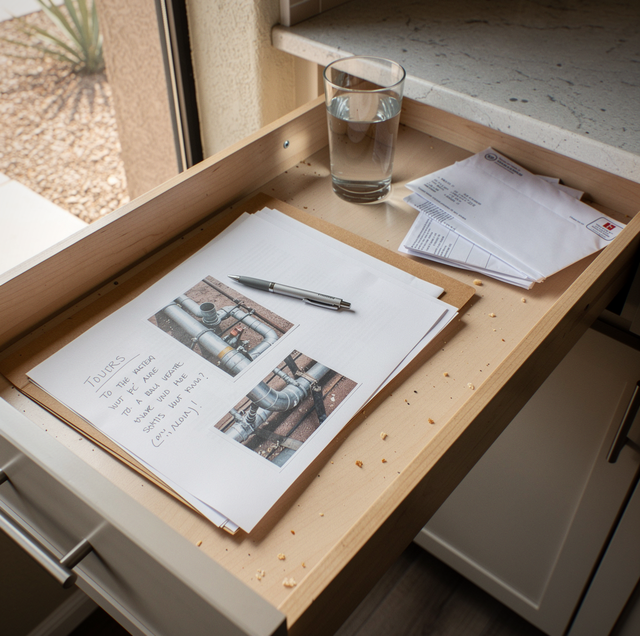
A repair sealed inside a wall is the one kind of work you pay for and can never afterward inspect. The pipe is sound, the floor is dry, the paint matches within a shade, and every fact about what was actually done now sits behind a surface nobody is going to cut open just to look. The work is real. A year on, the only visible trace of it is a patch that has blended in.
Everything worth knowing about that repair was observable for a few hours, while the access was open, and only then. After that, a description is all there is, and it either sits in a folder or it does not exist.
A File That Outlives the Repair
A useful file is not the same as the paperwork handed over at the end of a visit. It is what you deliberately keep, in a form that still makes sense years later, and five pieces are worth holding onto because each answers a different question a future visit will ask.
The first is the written diagnosis: what was found and how it was confirmed, kept in your own copy rather than trusted to memory. The second is the location, taken off something permanent, so the note still means something once the patch blends into the surrounding wall. The third is the boundary of the repair, what was replaced against what was left in place, rather than the fact that "a pipe" was fixed. The fourth is the set of photographs taken while the access was open, the only part of the file that shows the cavity rather than describing it. The fifth is the invoice, which links an address and a date to the other four.
Losing any one of them makes the rest less useful, not just that one. A photograph without a location note is a picture of an anonymous stretch of pipe. A location note without the invoice's date is a fact you cannot place in time.
The Diagnosis, Kept in Your Own Words
Whoever confirmed the leak provided a plain description of what was found before anything was cut open: which fixture or run it traced to, what ruled it out as something else nearby, and how confident that finding was. That description usually gets compressed onto the invoice in a line or two, written for billing rather than for a future reader.
It's worth keeping a fuller version in your own words while it's still fresh: what you were told, in the room, before the paperwork was typed up. A few plain sentences (the sound was near the water heater, not under the slab, and it stopped once that line was isolated) carry detail a formal line item leaves out. A new symptom in a nearby fixture can be weighed against that account rather than starting from scratch.
The Details Only an Open Wall Could Show
Once access is granted, the specifics that matter most are visible for a few hours and then disappear. The location is the first of them, and it comes off the contractor's own measurement rather than your estimate: ask what figure went onto their record, write it into your copy in plain words, and read it back to them before they leave the driveway. Two people recording the same measurement independently is how a transposed number gets caught while somebody is still standing in the room to settle it.
Just as worth keeping is the line between what came out and what stayed. A repair rarely touches an entire run of pipe. It replaces a section, a fitting, or a joint, and leaves the rest of that line exactly as it was, sometimes original to the house. A note that only says "pipe repaired" erases that boundary. One that records the replaced section's rough length and material, and that the remaining run is original, tells a future plumber how much of what they're looking at has already been renewed and how much hasn't, which changes how they read a new symptom nearby.
[NOTE: File the whole set under the property address rather than under whoever happened to be home for the visit. A record keyed to a person leaves with that person, and a house that changes hands keeps its own history.]
Photographs, and Who Ends Up Holding Them
A photograph of the open cavity can only be taken during the hours the access is open, and by default it lives on the technician's phone rather than yours. That is the part worth handling on the day. Ask before the crew packs up where the images will be sent and to which address, and ask for the original files rather than a text message, because a photo sent by SMS is compressed in transit, which reduces resolution and can strip the capture date the file was carrying. The date is half of what makes the image useful later.
One frame is worth naming because nobody takes it by default: the surface as it looked before the cut, photographed from a few steps back. That is the only record of where the opening was placed and how large the patch will be, which is precisely what the finished wall will stop showing within a year. A line noting that the repair was watched under running water before anything closed belongs in the file alongside the images.
The Invoice Anchors Everything Else
Of the five pieces, the invoice is the one that survives by default, since it's the one most people already keep somewhere. Its main value here has little to do with what it billed. It's the address, the date, and the plain description that let every other piece (the fuller diagnosis notes, the location, the photographs) be matched to the right visit years later, if there's been more than one.
Filed apart from the rest, the way it often ends up sorted with other receipts, it defeats the point. The invoice works best as the cover page rather than as a separate paper trail.
One Folder Instead of Five Scattered Pieces
Scattered across a phone's camera roll, an email thread, and a kitchen drawer, these five pieces only do their job if you can find all of them at once, and only if you still remember they exist. Kept in one place, they turn a repair that's otherwise invisible into something a future plumber, a future owner, or you in five years can actually read.
The wall doesn't keep a memory of what happened behind it. The file is the only thing that does.
Frequently Asked Questions
Keep it with the paperwork the house already generates for its other systems, the water heater's model plate, the furnace filter size, instead of starting a separate system just for this one repair. A digital copy, a photo of the invoice itself filed next to the cavity photographs, survives a move between drawers or a renovation that clears out a filing cabinet in a way a single paper original doesn't.
The job or work-order number, not the date. A contractor files against that number internally, and it is what the office searches to pull the technician's notes, the photographs, and anything a detection specialist supplied alongside the repair. A request that offers only an address and a rough month can take far longer to answer or come back empty, so copy that number into your own notes as its own line rather than leaving it buried on a page you may not keep.
Write a few lines yourself while it's fresh. A professional description is written for another tradesperson and doesn't always reflect how you remember the spot. A plain note like "under the hallway floor, about a stride from the closet door" sitting next to the formal entry gives you two independent references instead of one, and they check each other.
This is where the file earns its keep. A record showing that a specific stretch was already repaired prevents a later, unrelated opening from mistaking already-repaired pipe for new damage, and lets whoever does that later work add a note to the existing one instead of starting a separate, disconnected entry for the same few feet of wall.
More than it sounds like it should. A camera roll sorts by capture date, so a repair photograph filed nowhere else is found only by someone who already remembers roughly when the work happened, which is exactly what a person opening the folder years later does not. Renaming each file with the date and the room before it goes into the folder makes the images searchable, and keeping that copy outside the phone's photo app makes them findable by address rather than by memory.
Not on its own, but a later renovation that reroutes or replaces the same run of pipe changes what the file describes. Rather than throwing the old entry out, mark it as superseded and keep it anyway, since it still explains what used to be there and why one section of pipe might read as newer than the rest of the house.
Put the record on the work order before the crew arrives — what you ask for while the access is open is what you still have years after the wall is closed. American Discount Plumbing serves Phoenix and Scottsdale. ROC #150707. Call (602) 883-2787.
