

Bathtub Overflow Leak: Why It Only Shows Up After a Deep Fill
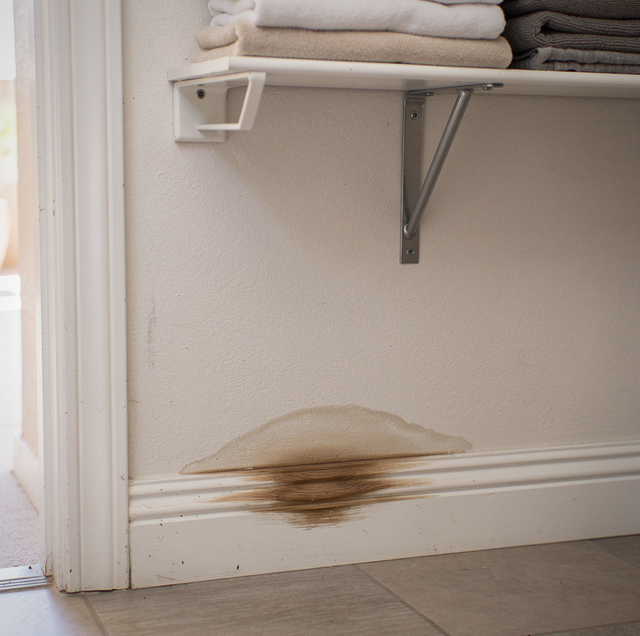
Your sister-in-law is visiting for the weekend, and she wants an actual bath instead of the five-minute shower everyone in the house has settled into. You run the water high, close the door, and don't think about it again until Monday, when you notice the baseboard in the hallway closet has gone soft and a faint ring has appeared on the wall below the bathroom. Nobody spilled anything. Nobody left a faucet running. The only thing that happened differently was a tub filled deeper than usual, for longer than usual, and that detail turns out to be the whole story.
Why the Leak Only Shows Up When the Tub Fills Deep
A bathtub has two openings, not one. The drain sits at the bottom and empties the tub when you're finished. The overflow sits higher up the tub wall, well above where the water line ever reaches during a normal shower, and its only job is to give rising water somewhere to go before it spills over the rim. Most households never fill a tub past a few inches, so that second opening goes years without ever seeing water pass through it. A guest's soak, a child's bath run deep enough to cover their shoulders, or the first real bath you've taken since moving in, is often the first time that opening has done its job in a long time, and it's also the first chance a worn seal behind it has had to leak.
That's the pattern worth paying attention to: a leak that never shows up on shower days but appears reliably whenever the tub is filled past a certain point. If the wet spot only follows deep fills, the overflow assembly is a far more likely source than the drain itself, which handles water on every single use without incident.
A tub filled only for showers rarely reaches the overflow opening. A single deep bath is often enough to expose a seal that has been failing quietly behind the wall for a long time, unnoticed because nothing ever tested it.
What the Overflow Assembly Actually Is
Behind the overflow opening, on the other side of the tub wall, sits a small cluster of parts that a tradesperson would name specifically rather than call "the overflow thing." Understanding what's back there explains why the leak is a wall-cavity problem and not a drywall problem.
The parts involved, working from the visible opening inward:
- The overflow plate: The metal or plastic cover you see on the tub wall, held on by two or three screws, sometimes doubling as the housing for a trip-lever drain mechanism.
- The gasket behind it: A flat or beveled rubber ring compressed between the plate and the tub wall, sealing the gap where the plate's opening lines up with the hole cut into the tub itself.
- The overflow shoe: A short fitting, usually plastic, that connects to the back of that opening and carries water down and away from it.
- The waste-and-overflow tee: The fitting where the overflow shoe's pipe joins the drain line coming from the bottom of the tub, combining both into one path to the trap.
Any one of those connections can weep instead of holding a tight seal: a gasket that has hardened and lost its compression, an overflow plate whose screws have loosened enough to let the gasket shift out of position, or a joint at the shoe or the tee that was never fully seated when the tub was installed. None of them are visible from the bathroom side. All of them carry water only when the level in the tub is high enough to test them.
Where the Water Goes Once It's Behind the Wall
Water that gets past the overflow gasket doesn't pool neatly behind the tub wall and wait to be discovered. It follows framing and gravity, tracking along studs and subfloor, soaking insulation if there is any in that cavity, and traveling well beyond the tub's footprint before it finally saturates a surface enough to show a stain, a soft spot, or a sagging patch. That's why the visible sign is so often somewhere other than the bathroom: a hallway closet baseboard, a ceiling in the room below, a bedroom wall on the other side of the plumbing chase. By the time it's visible, the water has already been traveling for a while.
If that travel has already left a stained ceiling or a soft floor behind, that part of the damage belongs to a separate restoration trade, not to a plumbing visit, and it's worth bringing that trade in only once the leaking assembly itself has been sealed. Chasing a wet ceiling before the source is fixed just means drying the same spot twice.
Water tracking above a ceiling can reach a light fixture, a fan housing, or a junction box before it stains the drywall. Treat a wet or discolored ceiling fitting as an electrical hazard and leave that circuit alone until it is checked.
Which Connection Actually Failed, and How That Gets Confirmed
Because none of the parts that matter are visible from the finished side of the wall, a plumbing visit typically starts by confirming which connection has actually failed rather than assuming it's the gasket everyone blames first. That can mean removing the overflow plate to inspect the gasket and the screws holding it, and, if the wall has an access panel on an adjacent side (a closet, a utility space) or the shoe and tee are otherwise reachable, checking those connections directly. A worn gasket gets replaced. A shoe or tee connection that has backed off gets reseated and tightened to the manufacturer's fit, not guessed at. None of that is something to attempt with the tub apron pried open and a tube of sealant, because a poor seal here fails again quietly, the same way the original one did, and the next sign of it is another stain in a different spot.
Frequently Asked Questions
It is a common trigger and an easy one to miss, because the work looked like it went fine. The overflow plate has to come off for a tub refinish or a re-caulk and goes back on afterward, and whoever reinstalls it often lays a fresh bead of silicone behind the plate rather than seating the gasket against clean, dry porcelain. Silicone cures by shrinking, so a joint that felt tight on the day gives up a fraction of its compression over the following weeks. That is why the first wet sign often turns up a month or two after the work, long enough after that nobody connects the two.
On many tubs, the mechanism that opens and closes the drain (a trip lever, a plunger, or a linked rocker arm) runs down through the overflow tube itself and is accessed by removing the same overflow plate. Servicing or adjusting that linkage means taking the plate off and putting it back. A gasket that gets reinstalled slightly off-center or with the screws overtightened on one side can start leaking from that disturbance alone, even if it held fine before.
It's possible, and it's a different problem. A hairline crack in an acrylic or fiberglass shell, or crazing in an older porcelain-on-steel or cast-iron finish, can let water through the tub body rather than through the overflow connection behind it. That's a fixture-level issue rather than an assembly-connection issue, and it's diagnosed and addressed separately from the parts described here.
Yes. Older installations often use a metal slip-joint nut at the shoe, which can back off slightly over the years as hot water expands and contracts the fitting, producing a slow seep that gradually worsens. A solvent-welded plastic tee has no threads to back off and no torque to lose, so it fails a different way entirely: a cold or dry joint, where too little cement went on, or the parts were pushed together after the cement had already skinned over, or a joint racked out of alignment when the tub was set and left carrying that strain ever since. Both produce a leak that behaves consistently from the first deep fill rather than one that creeps up over years.
At a penetration, not at the drywall. The ceiling below a bathroom is interrupted by light boxes, a bath fan housing, and, in many houses, an HVAC register, and each of those is a hole cut in a surface that is otherwise sealed by paint and texture. Water arriving at that ceiling finds the opening before it soaks enough gypsum to stain, so a wet light fixture, a drip from a register grille, or a fan that starts weeping is frequently the first symptom, appearing while the ceiling around it still looks perfectly fine.
Often, yes. Many older cast-iron and steel tubs were installed with a caulked or packed joint at the shoe rather than a compressible rubber gasket, a connection style that can dry out and start seeping slowly as it ages, sometimes after decades without issue. Newer acrylic and fiberglass tubs almost always use a mechanical gasket and a shoe designed for a modern waste-and-overflow kit, which fail differently and are usually simpler parts to replace.
Schedule a plumbing visit for a bathtub overflow leak — a plumber can confirm which overflow connection has failed before any repair begins. American Discount Plumbing serves Phoenix and the Valley. ROC #150707. Call (602) 883-2787.
