

Our Blog
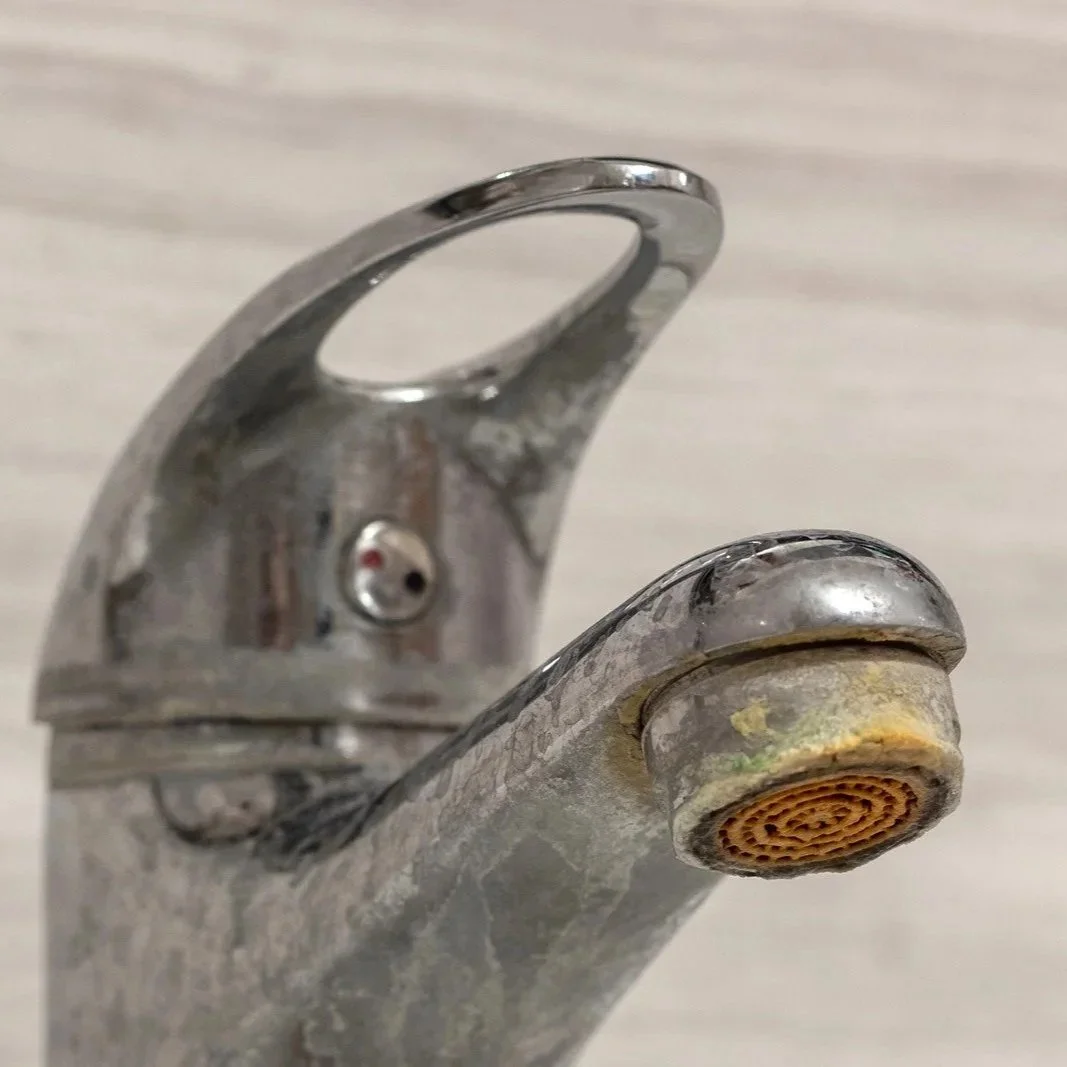
What Causes Hard Water Scale Buildup in Pipes and Fixtures?
The showerhead that used to blast now dribbles through half its holes. There is a white crust ringing the faucet, spots on the glasses no matter how you dry them, and a water heater that has started to rumble like there are rocks in it. None of that is a coincidence. It is the same culprit, and it is dissolved in nearly every drop of water entering the house.
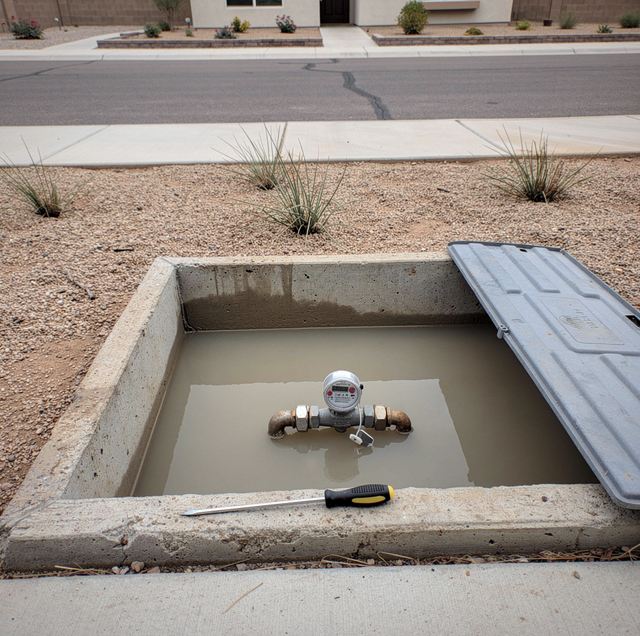
Water Leaking Into Your Meter Box: What It Actually Means
You crouch at the curb, wedge a flathead screwdriver under the lip of the meter box lid, and pry it free.
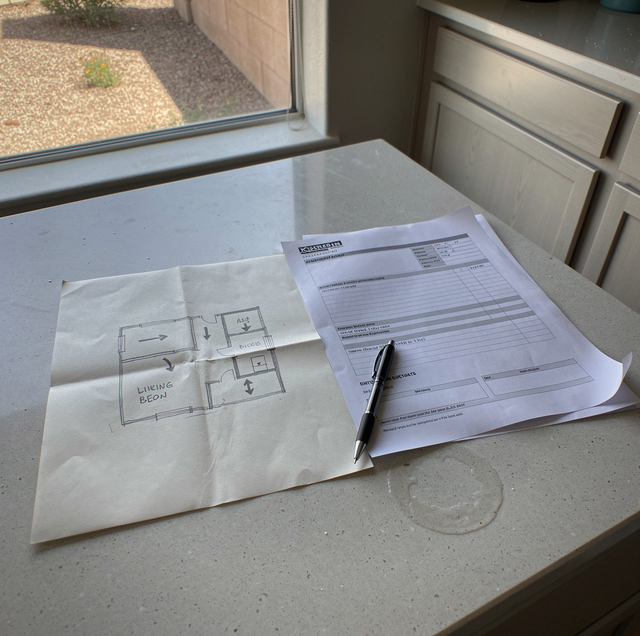
Second Opinion on a Plumbing Quote: 5 Questions to Ask
Two pages sit on the kitchen counter. One is a folded work order with a hand-drawn rectangle and an X marked near the hallway.
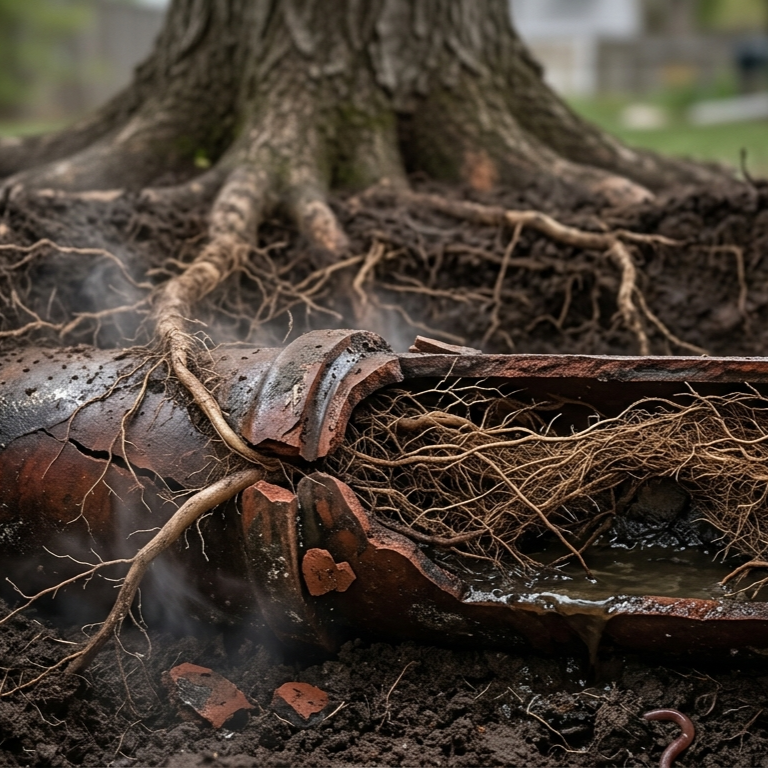
How Can Tree Roots Get Into and Damage Underground Pipes?
A sewer line buried a few feet down is one of the wettest, warmest things in your yard, and a tree spends its whole life hunting for exactly that. Roots do not break into a sealed pipe by force. They follow a trail of moisture leaking from a hairline crack or a tired joint, reach the source, and slip a thread-thin tip through the gap. From there, it is all growth. Once you see where roots find their opening, the clogs and slow drains in a tree-lined yard stop looking mysterious.
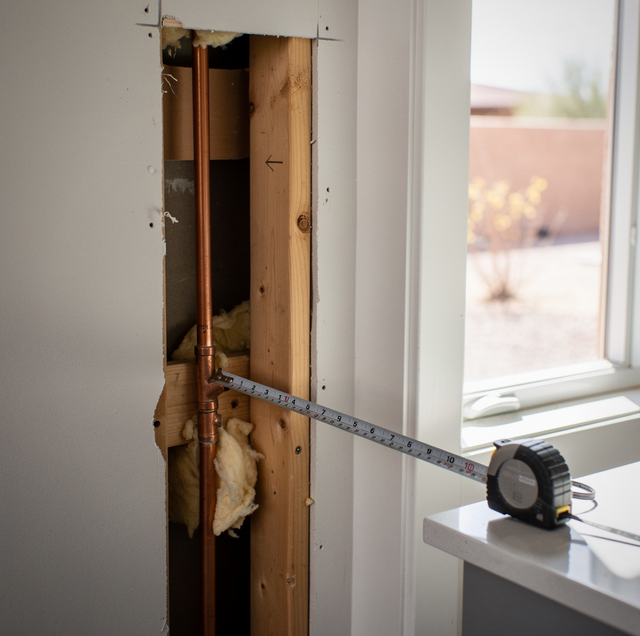
What a Plumber Documents After a Water Leak, and Where It Stops
Two years after the repair, a folder comes off the shelf. There is a rectangle of newer paint on the hallway ceiling.
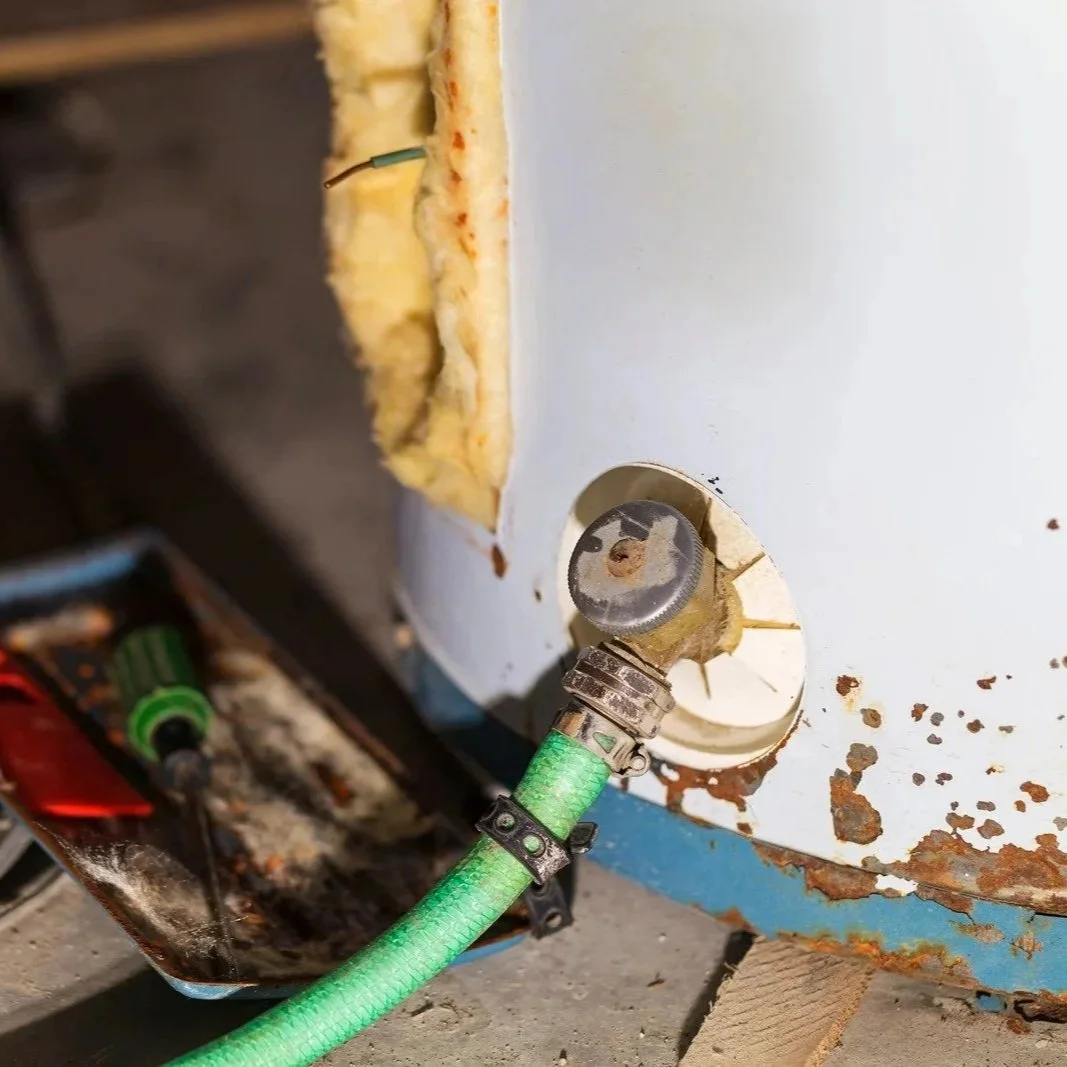
Why Your Water Heater Rumbles or Knocks When It Heats
That rumble or knock when the water heater kicks on can sound alarming, but the cause is usually simple and well understood. It's the sound of water fighting its way through a layer of mineral sediment at the bottom of the tank. The noise itself is mostly harmless, but it's a useful warning: it means sediment has built up, and that buildup is quietly costing you efficiency and tank life. Here's what's happening and what to do about it.
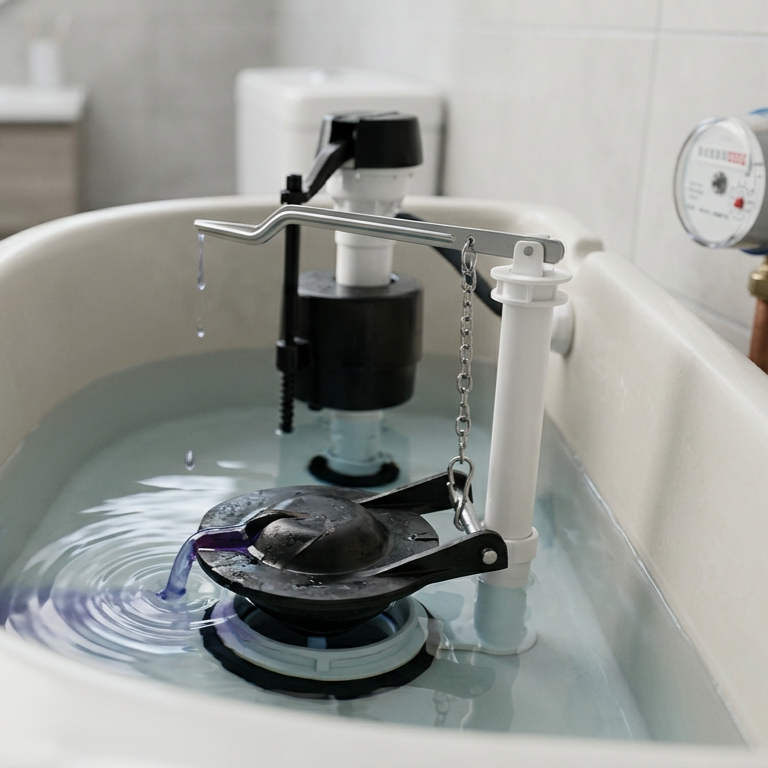
Water Bill Sky-High With No Visible Leak? The Likely Culprit
You open the water bill, and it's twice what it usually is, so you walk through the house looking for the puddle that explains it — and there isn't one. That's the frustrating part about a high water bill: the biggest wasters are almost always invisible, running silently inside a toilet, under the slab, or out in the irrigation system. Here's how to track it down without guessing.

Water Damage After a Leak: Who to Call, and in What Order
The repair is finished. A short length of copper lies on a drop cloth with a split in it you can see through; the water is back on, and the new fitting is holding.
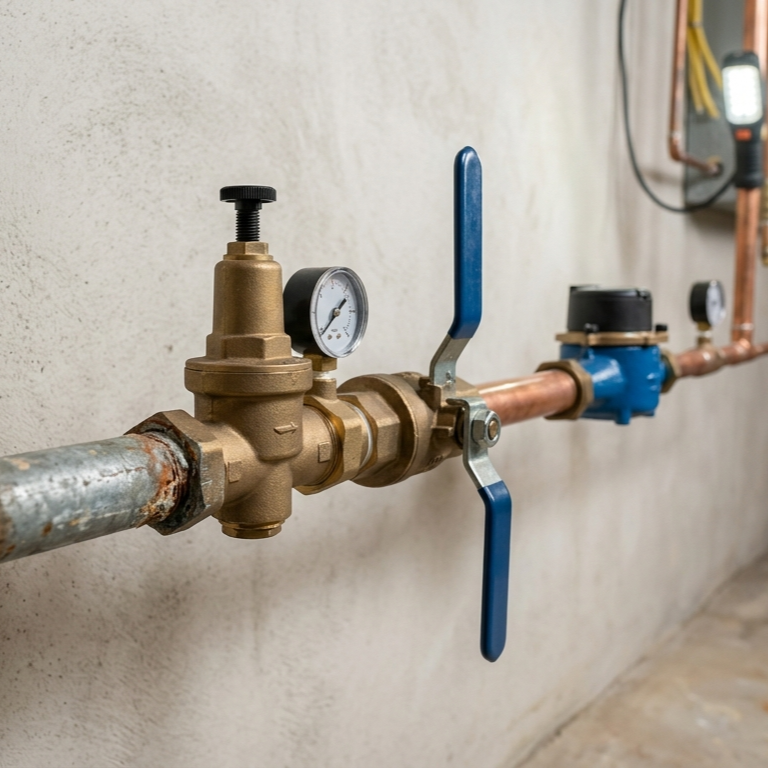
Low Water Pressure in the Whole House? What’s Behind It
When a single faucet trickles, the problem is usually that fixture. But when the pressure is weak everywhere — the shower, the kitchen sink, the washing machine all underwhelming — the cause is somewhere upstream, affecting the water before it ever reaches your fixtures. Tracking it down is a matter of working from the supply inward.
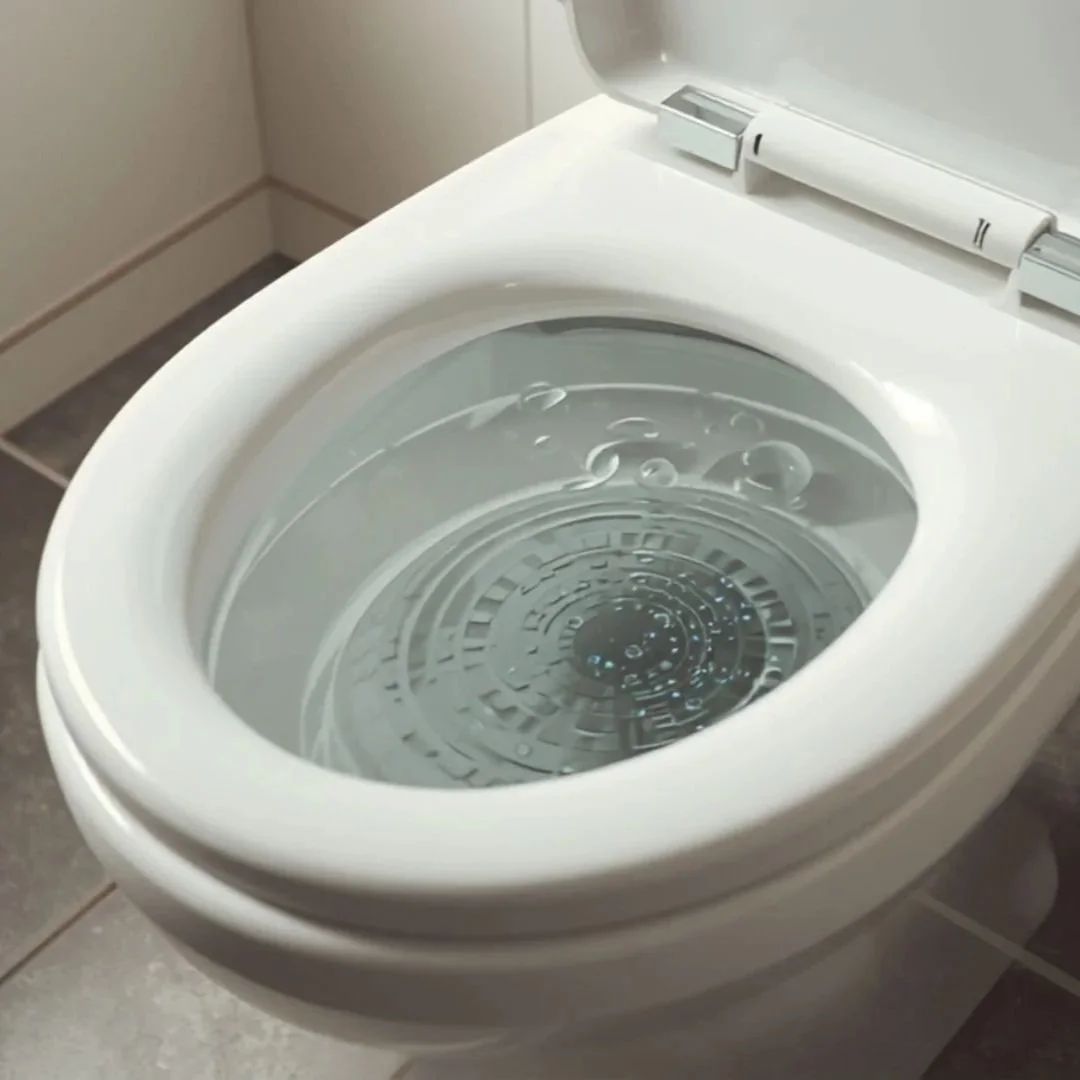
Toilet Won’t Stop Running After a Flush? What’s Going On
That endless hiss or trickle from a toilet long after you've flushed isn't just annoying — it's water running straight down the drain, around the clock. The good news is that a running toilet is one of the most common and most fixable plumbing problems, and the cause is almost always a worn part inside the tank.

Water Heater Connection Leak: The Tank Is Often Innocent
Run a dry hand down a water heater's shell, from the top rim to the base, and you can find every inch dry, while a wet ring keeps spreading on the floor beside it.
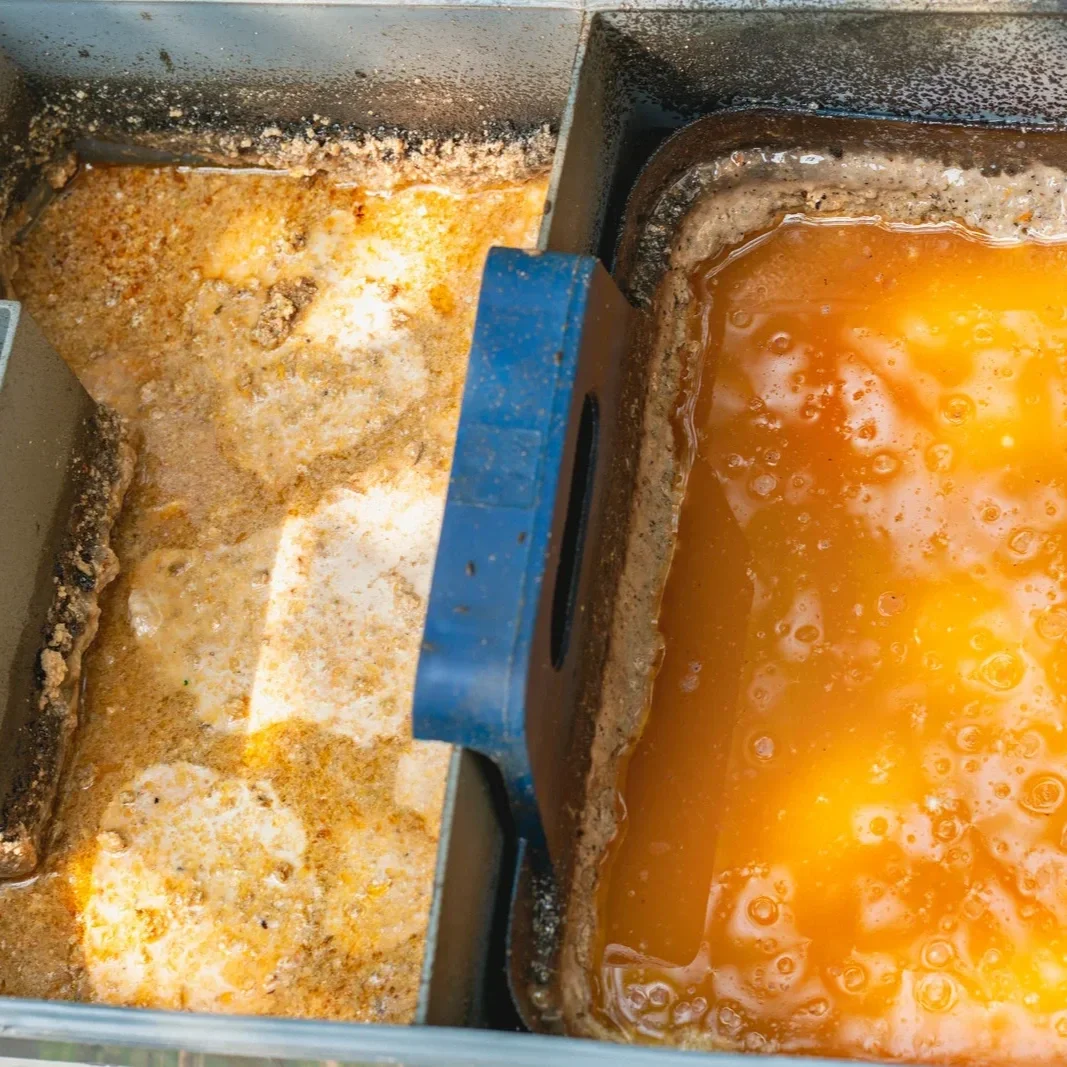
Ensuring Compliance with Regular Grease and Sand Trap Inspections
Grease and sand traps serve as silent guardians beneath many commercial kitchens and service areas.
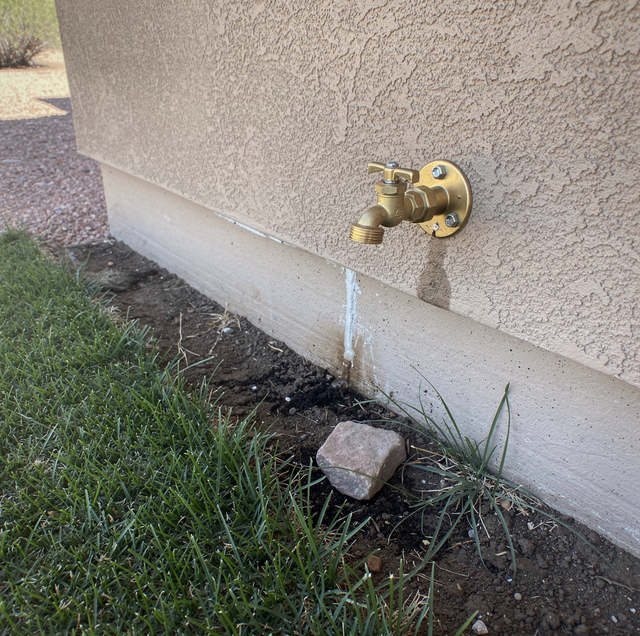
Outdoor Water Leaks That Never Break the Surface
The yard looks exactly like it did last month. The grass along the fence line might be a shade greener than the rest, but nothing is standing in a puddle, nothing sounds like running water when you step outside at night, and there is no damp patch working its way across the patio.
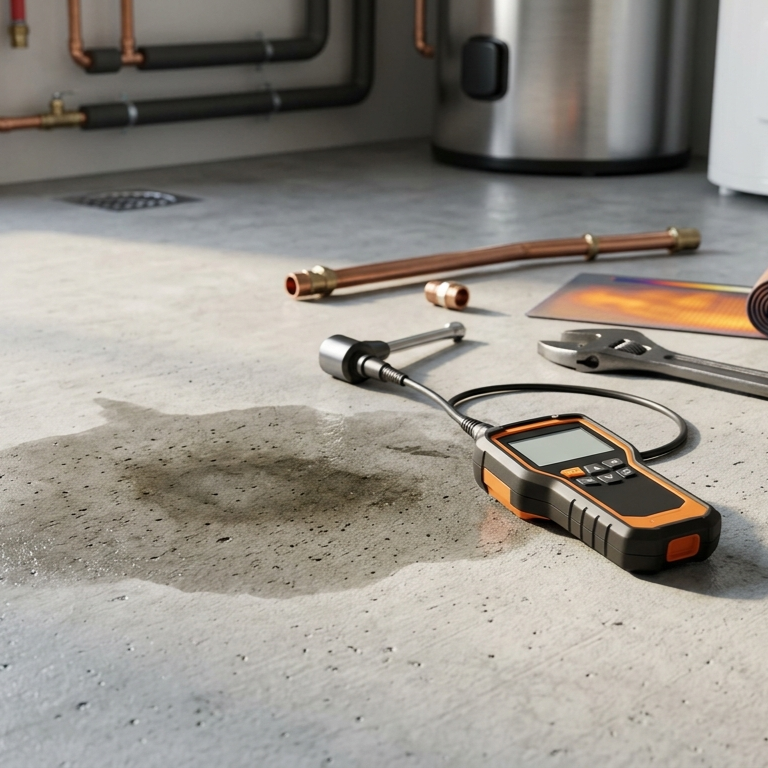
Hidden Slab Leak? The Early Warning Signs to Catch
A visible leak is a nuisance. A leak you can't see — running under the concrete slab your house sits on — is a different kind of problem, because it can do its damage for months before anything obvious shows up. Knowing the early signs lets you catch a slab leak while it's still a repair and not a foundation emergency.

What Ignoring a Slow Water Leak Changes in Six Months
Two houses on the same street, built from the same plan, develop the identical failure: a slow, steady weep at a supply fitting under a bathroom vanity, too small to spray and too quiet to hear over a running fan.
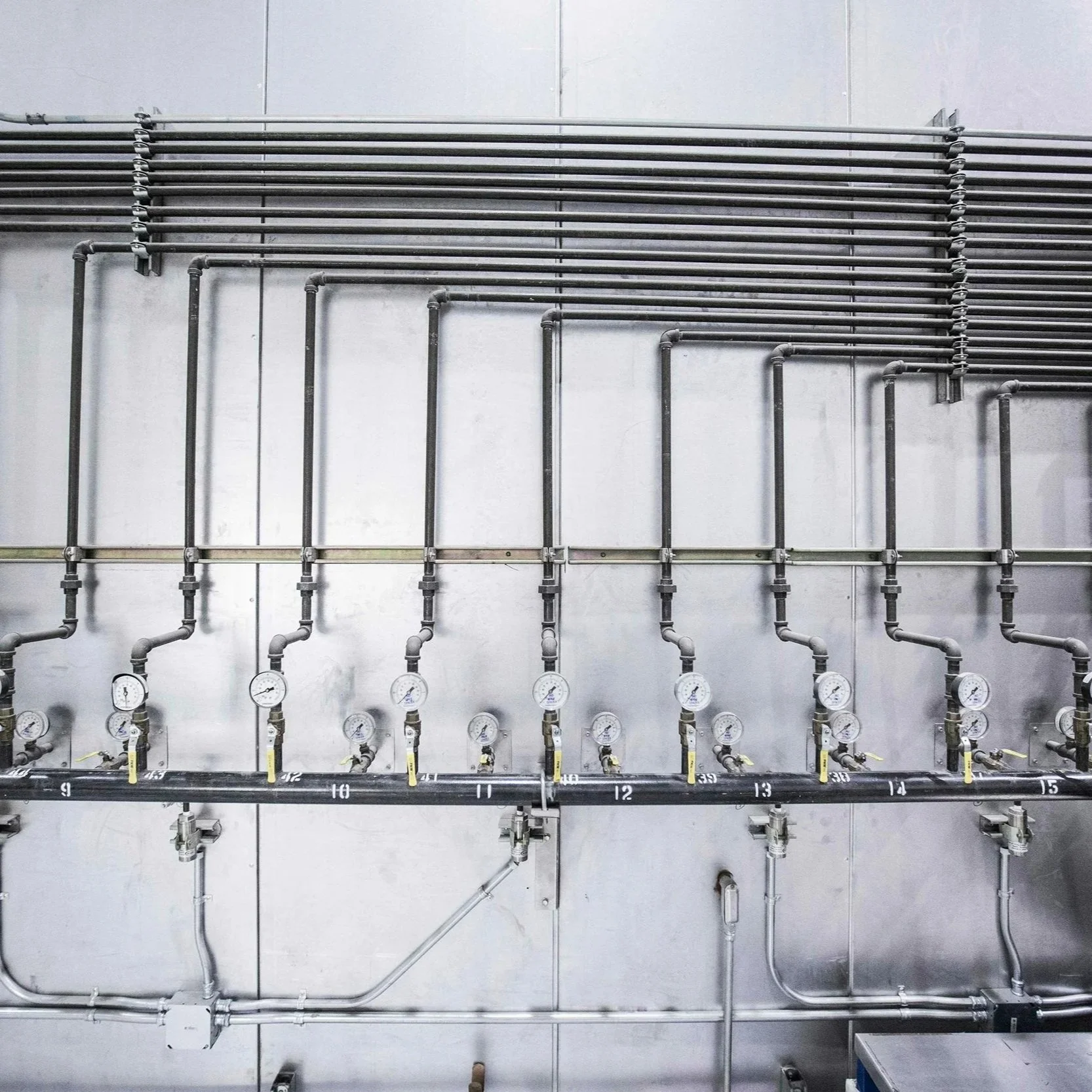
Meeting the Unique Needs of High-Traffic Commercial Spaces
Whether it's an apartment complex with hundreds of daily showers, a fitness club full of sweaty towels and steam, or a restaurant kitchen sending gallons of grease-laden water down the drain, commercial plumbing faces constant demand.

High Water Bill, No Leak in Sight: Where the Water’s Going
You're standing in the kitchen scrolling through the water utility's app on your phone, and the number that loads doesn't match what you remember paying last month, not by a little, but enough that you check it twice before believing it.
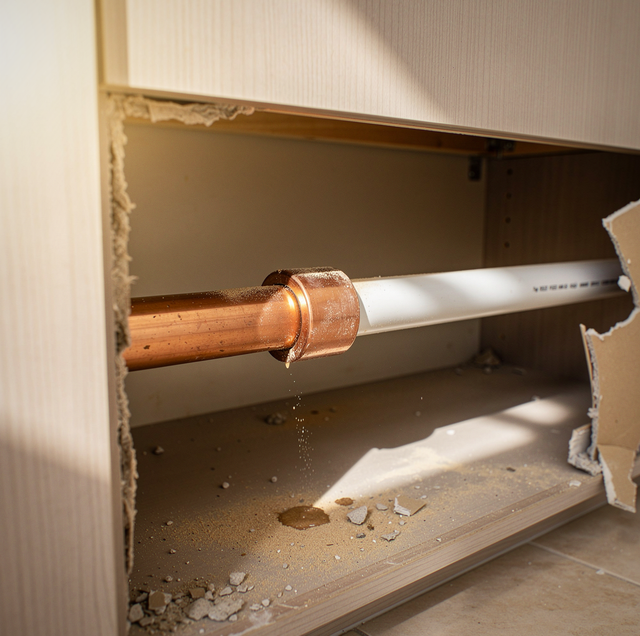
Recurring Water Leaks in the Same House: Bad Luck or a Pattern?
This is the third time this year a plumber has come back through the door for a leak, and it is not the same wall as the first two.

Drywall Repair After a Plumbing Leak: Who Closes the Wall
The piece of board is leaning against the baseboard where the crew set it down, face out, a stripe of old paint running across it where the last coat stopped at the skirting.
Preventing Common Household Plumbing Issues
A good snake or professional-grade auger works wonders, and regular cleanouts make sure sinks, tubs, and showers keep swirling without complaint.