

What Causes Hard Water Scale Buildup in Pipes and Fixtures?
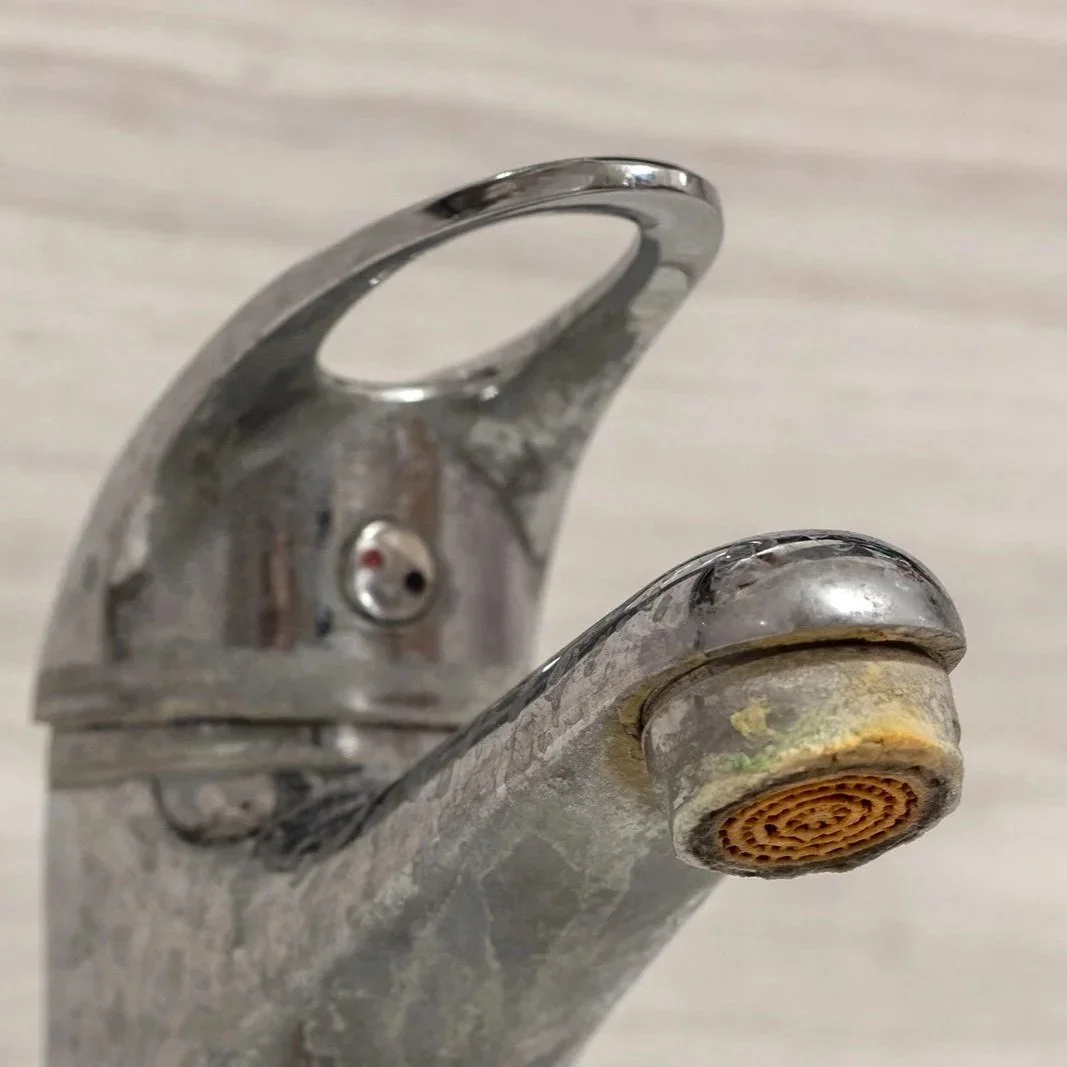
The showerhead that used to blast now dribbles through half its holes. There is a white crust ringing the faucet, spots on the glasses no matter how you dry them, and a water heater that has started to rumble like there are rocks in it. None of that is a coincidence. It is the same culprit, and it is dissolved in nearly every drop of water entering the house.
Hard water scale is one of the most predictable plumbing problems there is, because the chemistry behind it never changes. Understanding what actually forms the scale, and where it does its worst work, is the difference between fighting the symptoms forever and dealing with the cause.
Scale Is Minerals Coming Out of Solution
Hard water simply means water carrying a lot of dissolved calcium and magnesium, picked up as it moves through rock and soil on its way to your tap. In hard-water areas, the water commonly runs 12 to 20 grains per gallon, which is well into the level where scale forms readily. As long as those minerals stay dissolved, they are invisible and harmless. Scale forms when they come out of solution and turns back into solid rock on your pipes and fixtures.
Two things pull the minerals out of the water. The first is heat. When water is warmed, it holds less dissolved minerals, so heating hard water drives calcium and magnesium out, where they harden as limescale. That is why the hot side of your plumbing and anything that heats water scale first and worst. The second is evaporation. When hard water dries on a surface, the water evaporates, but the minerals stay, leaving the white ring on the faucet and the spots on the glassware. Heat and evaporation are the whole mechanism.
Where Scale Does the Most Damage
Scale does not build evenly. It concentrates exactly where water is hottest or where it sits and dries, and knowing those spots tells you where the real cost is.
| Where it builds | What the scale does |
|---|---|
| Water heater tank/element | Bakes into a hard layer, insulates the burner, wastes energy, rumbles |
| Pipe interiors | Narrows the bore over years, weakens flow and pressure |
| Faucet aerators, showerheads | Clogs the small holes and screens, kills the spray pattern |
| Tankless heaters | Coats the heat exchanger, the fastest failure point in hard water |
| Fixtures and glass | Leaves crusty rings and spots as water evaporates |
The water heater is where scale is most expensive. Minerals settle and bake onto the bottom of a tank or the element, forming an insulating crust that forces the heater to work harder and longer to produce the same amount of hot water, which shows up on the energy bill and shortens the heater's life. The rumbling sound is water trying to bubble up through that layer of sediment. Tankless heaters are even more sensitive because their narrow heat exchangers scale up quickly and require regular descaling to withstand hard water.
The Slow Squeeze Inside Your Pipes
Inside the pipes themselves, scale works quietly. A thin mineral layer forms on the pipe wall wherever water flows, and layer by layer over the years, it narrows the opening the water has to move through. You do not notice it week to week, but eventually the shower feels weaker, two fixtures running at once fight for pressure, and the hot lines, which scale fastest, are the first to choke down. Think of it like plaque narrowing an artery: slow, invisible, and steadily reducing the flow until the effect is impossible to ignore.
A quick way to gauge your scale problem is the showerhead test. Unscrew it and look at the inlet screen and the spray holes. If they are crusted white and half-blocked after a couple of years, that same mineral is coating everything else the water touches, including the inside of your water heater.
Why the Local Water Makes It Worse
Beyond the mineral load, a hot, dry climate stacks the deck. Hot, dry air means fast evaporation, so every drop that dries leaves its minerals behind on fixtures and glass. The long cooling season and constant hot-water demand keep water heaters cycling, and every heating cycle deposits more scale. Hard water is not a mild nuisance that shows up after a decade; it is an active, ongoing process that coats fixtures over months and stresses water heaters throughout their lives. That is why descaling, flushing the heater, and treating the water at the source matter more in a hard-water area than in a soft-water one.
Frequently Asked Questions
The signs are consistent: white crust on faucets and showerheads, spots on glasses and dishes, weakening water flow, and a water heater that rumbles or takes longer to heat. If your showerhead holes are clogging and fixtures wear a chalky ring, you have scale. A water test can confirm the hardness level, but the fixtures usually tell the story first.
Over a long enough time, yes. Scale narrows the inside of pipes and reduces flow, and it is especially hard on water heaters and tankless units, where it insulates heating surfaces and shortens their life. It does not burst a pipe overnight, but it steadily degrades performance and wears out the appliances that heat the water.
Because heat is what drives the minerals out of solution. Warm water holds less dissolved calcium and magnesium, so heating hard water makes it deposit scale, which is why the water heater and the hot lines build up fastest. The cold side scales far more slowly since nothing is pulling the minerals out.
You can clean the visible stuff: soak a clogged aerator or showerhead in vinegar to dissolve the mineral crust, and wipe fixtures. What you cannot easily reach is the inside of the pipes and the water heater, where the costly buildup happens. Flushing a tank heater or descaling a tankless unit is usually a job worth handing to a plumber.
A water softener addresses the cause by removing or exchanging the calcium and magnesium before the water reaches your plumbing, so new scale largely stops forming. It does not remove scale already deposited, but it prevents further buildup. In a hard-water region, treating the water at the source is the most effective long-term fix.
In hard water, more often than the once-a-year general advice, because sediment and scale accumulate faster. Many homes here benefit from flushing a tank heater at least annually and descaling a tankless unit on the manufacturer's hard-water schedule. Keeping ahead of the buildup protects the heater and keeps it running efficiently.
Deal With the Cause, Not Just the Crust
Hard water scale is minerals turning back into rock the moment water is heated or left to dry, and in a hard-water region, that process never stops. It clogs your fixtures, chokes your pipes, and quietly wears out your water heater from the inside. You can keep scrubbing the crust off faucets, but the lasting solution is treating the water and maintaining the heater so that scale never gets a chance to build up. Handle the cause, and the symptoms stop coming back.
If scale is choking your fixtures or your water heater is rumbling, get ahead of it before it costs you the heater. American Discount Plumbing serves Phoenix and the Valley. ROC #150707. Call (602) 883-2787 for a free assessment.