

Toilet Won’t Stop Running After a Flush? What’s Going On
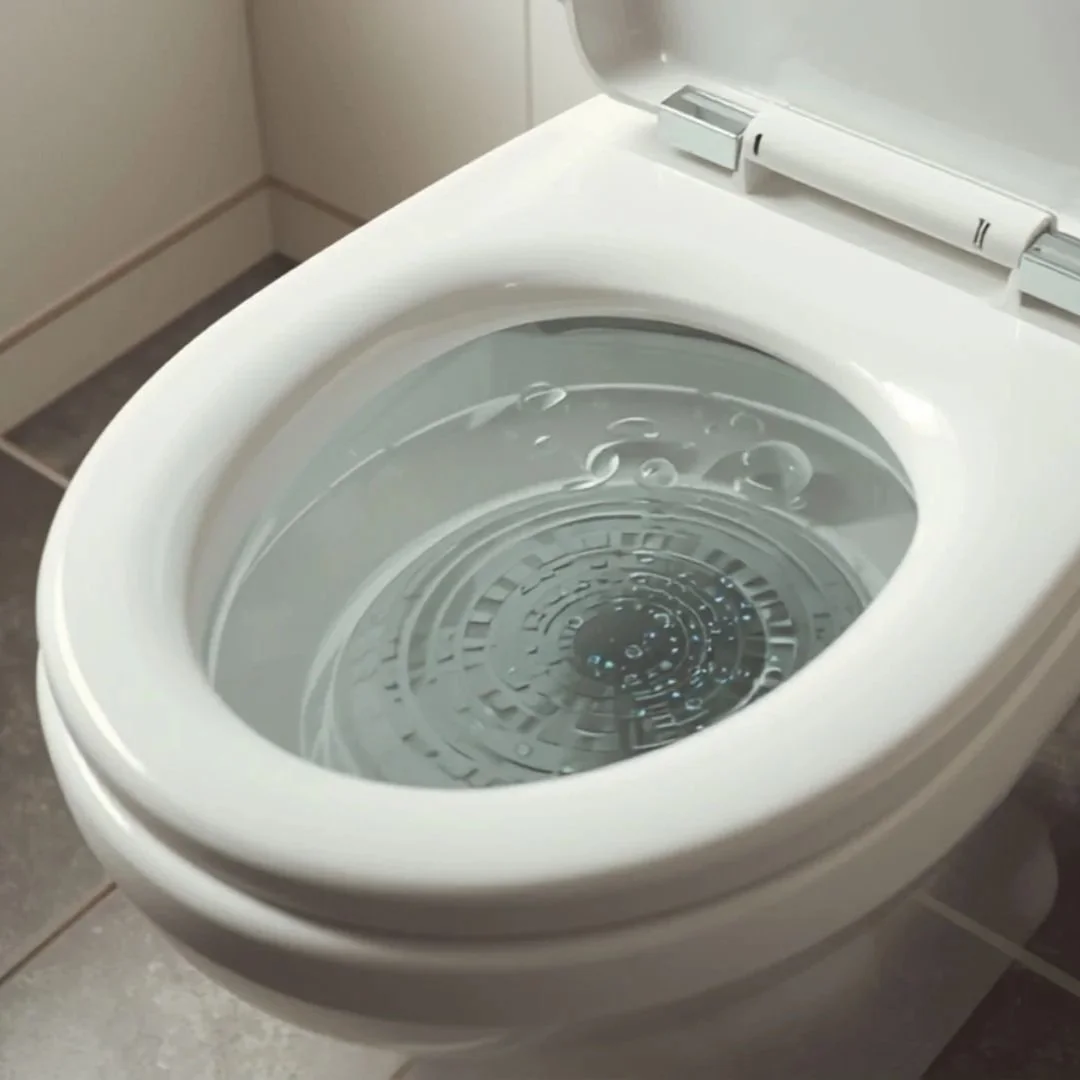
Quick Answer: A toilet that keeps running after a flush almost always has a problem in the tank. The most common cause is a worn or warped flapper that no longer seals, letting water leak from the tank into the bowl so the fill valve keeps topping it off. Other causes include a float set too high so water spills into the overflow tube, a fill valve that won't shut off, or a flush chain that's too short and holds the flapper open. A running toilet can waste a remarkable amount of water, so it's worth fixing quickly — and most causes are simple parts inside the tank.
That endless hiss or trickle from a toilet long after you've flushed isn't just annoying — it's water running straight down the drain, around the clock. The good news is that a running toilet is one of the most common and most fixable plumbing problems, and the cause is almost always a worn part inside the tank.
Toilet Won't Stop Running After a Flush? What's Going On
How the Tank Is Supposed to Work
Understanding the fix starts with how a toilet refills. When you flush, the flapper at the bottom of the tank lifts and lets the tank water rush into the bowl. As the tank empties, the flapper drops back down and seals the opening. The float falls as the water level drops, opening the fill valve to refill the tank. When the water rises back to the set level, the float shuts the fill valve off, and everything goes quiet.
A toilet that keeps running means one of those steps isn't completing — water is either escaping the tank or never reaching the level that tells the fill valve to stop.
Cause One: A Worn or Warped Flapper
The number-one cause is the flapper. This rubber seal takes a beating, flexing and sealing thousands of times, and over the years, it hardens, warps, or accumulates mineral deposits. When it can no longer sit tightly, water seeps continuously from the tank into the bowl. The dropping water level keeps the float low, so the fill valve keeps running to replace what's leaking out. The result is a toilet that runs constantly or cycles on and off on its own — sometimes called a phantom flush.
A quick test: put a few drops of food coloring in the tank and wait without flushing. If color shows up in the bowl, the flapper is leaking.
Cause Two: The Float Is Set Too High
The float controls the water level that the fill valve aims for. If it's set too high, the tank fills past the overflow tube, and the excess water pours down the tube into the bowl — so the fill valve never reaches its shutoff point and keeps running. You'll often see water trickling into the overflow tube. Lowering the float so the water stops below the overflow tube usually solves the problem.
Cause Three: A Failing Fill Valve
The fill valve itself can wear out. When it does, it may not shut off completely even when the float reaches the right height, leaving it to hiss and run. Sediment and mineral buildup inside the valve are common culprits in hard-water areas. A fill valve that won't seal is typically replaced rather than repaired, and it's a standard part.
Cause Four: A Chain or Flapper Hang-Up
Sometimes the mechanism is simply catching. A flush chain that's too short, or tangled, can hold the flapper slightly open so it never seals. A chain that's too long can slip under the flapper and prop it up. Even a flapper that's caught on its hinge can fail to drop. These are the easiest fixes of all — adjusting the chain length so there's a little slack often does it.
| Symptom | Likely cause | Typical fix |
|---|---|---|
| Constant trickle into bowl | Worn or warped flapper | Replace flapper |
| Water running into overflow tube | Float set too high | Lower the float |
| Hissing that won't stop | Failing fill valve | Replace fill valve |
| Flapper won't seat | Chain too short or tangled | Adjust the chain |
| Random "phantom" refills | Slow flapper leak | Replace flapper |
Why It's Worth Fixing Fast
A running toilet is one of the biggest water wasters in a home. A continuous leak from the tank to the bowl can send a large volume of water down the drain every day, and that adds up on the water bill fast. Beyond the cost, the constant running wears the fill valve and keeps the whole mechanism working when it should be at rest. Because the parts involved are inexpensive and the fixes are usually simple, there's little reason to live with it.
The food-coloring test pinpoints a leaking flapper in minutes. Add a few drops to the tank, don't flush, and check the bowl after 15 to 20 minutes. Color in the bowl means the flapper isn't sealing — the most common cause by far.
When to Call a Plumber
Most running-toilet causes are simple tank parts, but if you've replaced the flapper, adjusted the float, and the toilet still runs, the issue may be a worn fill valve, a cracked overflow tube, or a flush valve seat that no longer seals. If repeated fixes don't hold, or the toilet runs along with other plumbing symptoms, it's worth having a plumber look at it. Persistent running despite new parts can also signal water pressure issues feeding the fill valve.
Frequently Asked Questions
Usually, because water is leaking from the tank into the bowl through a worn flapper, the fill valve keeps running to replace it. It can also be a float set too high that spills water into the overflow tube, or a fill valve that won't shut off. All are tank problems, and most are simple to fix.
Use the food-coloring test: add a few drops of dye to the tank water, wait without flushing, and check the bowl. If colored water appears in the bowl, the flapper is leaking and should be replaced. A flapper that looks warped, stiff, or coated in mineral buildup is also a giveaway.
Yes. A continuously running toilet can waste a large amount of water every day because the leak never stops, unlike a faucet that you turn off. It's one of the most significant hidden sources of water waste in a home, and it shows up on the bill. Fixing it usually pays for the inexpensive part quickly.
Often, yes. Replacing a flapper, adjusting the float, or fixing the chain are common DIY repairs with inexpensive parts. If those don't stop the running, or the fill valve needs replacing, and you're not comfortable with it, a plumber can handle it quickly. Many running toilets come down to a single worn part.
A phantom flush is when a toilet briefly refills on its own without anyone flushing it. It's caused by a slow leak past the flapper: water seeps into the bowl until the tank level drops enough to trigger a short refill. It points to a flapper that's no longer sealing properly.
Hard water leaves mineral deposits that build up on the flapper, the valve seat, and inside the fill valve. Those deposits keep parts from sealing and can clog the fill valve, making running toilets more common, and parts wear out faster. Replacing affected parts and managing hard water both help.
Stop the Water from Going Down the Drain
A toilet that won't stop running is almost always a tank problem — a worn flapper, a float set too high, a tired fill valve, or a hung-up chain. The fixes are usually simple and the parts inexpensive, but the water waste while you wait is real. A few minutes of diagnosis stop the running and the rising bill that comes with it.
Toilet that won't stop running — Get the flapper, float, and fill valve checked and repaired so the water waste stops. American Discount Plumbing serves Phoenix and the Valley. ROC #150707. Call (602) 883-2787.