
Ensuring Compliance with Regular Grease and Sand Trap Inspections
Grease and sand traps serve as silent guardians beneath many commercial kitchens and service areas.
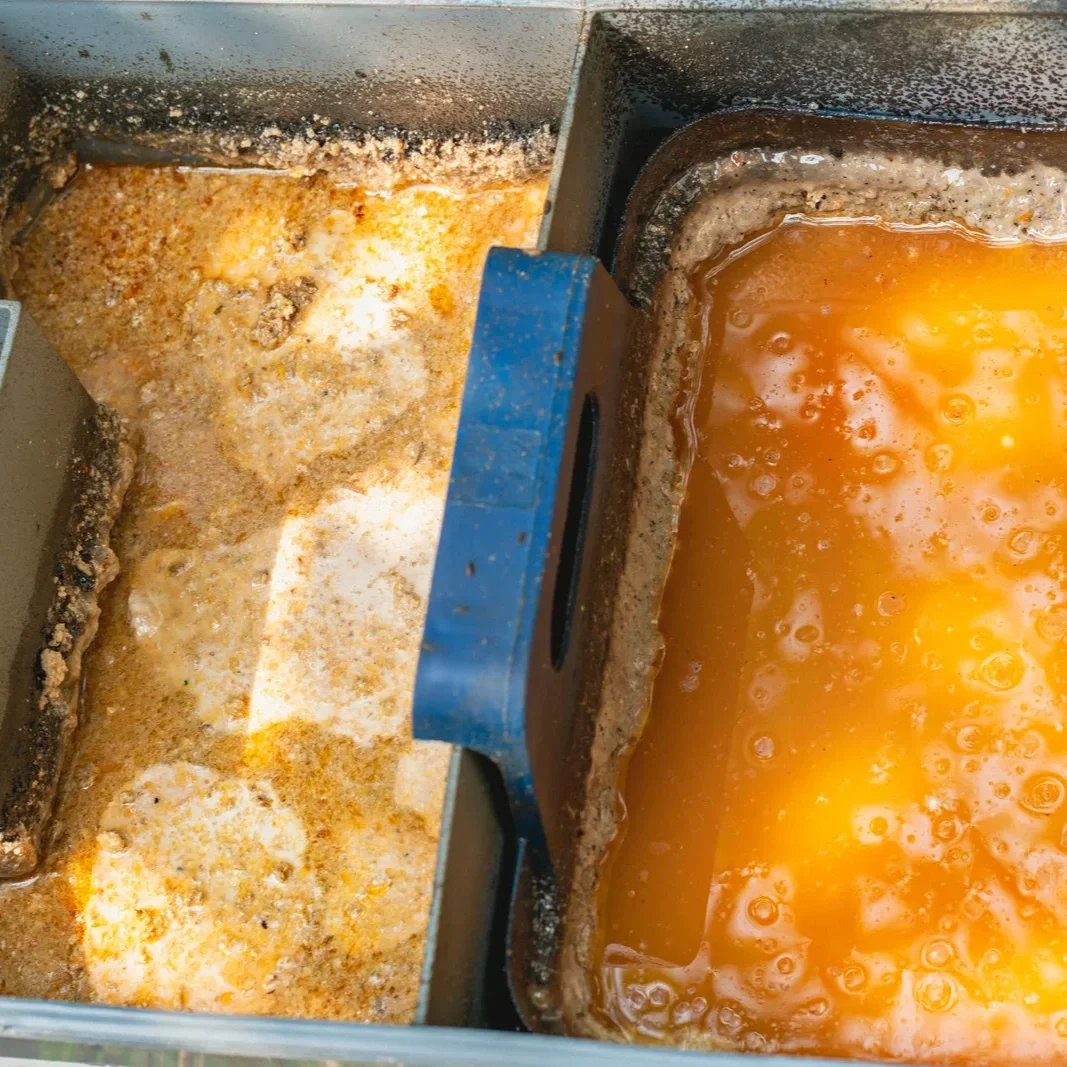
Grease and sand traps serve as silent guardians beneath many commercial kitchens and service areas. Tucked away below floors or outside in buried tanks, they intercept the gunk, sludge, and grit that have no business entering public sewer systems. Though rarely admired, they play an essential role in keeping plumbing lines clear and regulatory agencies off your back.
Function Meets Regulation
A grease trap catches fats, oils, and grease (often lovingly abbreviated as FOG) before they harden inside wastewater pipes. A sand trap performs a similar job, except its mission is to capture heavier particles—think grit from mop water, pebbles from car washes, and even coffee grounds from bustling cafés. Both devices keep city sewers humming and business operations uninterrupted.
Regulatory bodies care deeply about how these devices perform. Many cities have ordinances that specify inspection schedules, service frequency, and waste-disposal methods. Missing a required inspection might not bring down the building, but it could land a business on the wrong side of a fine or force an emergency shutdown.
The Downside of Neglect
Skipping inspections might save a few minutes now, but the long-term cost rarely shows mercy. When grease builds up past its holding capacity, overflow isn't far behind. Grease slips into the sewer line, clings to pipe walls, and invites a sticky parade of debris that blocks flow entirely. The result? Backups, floods, and panic, often at the worst possible moment.
Sand traps fill with sediment over time, compacting into a stubborn, rock-hard layer that restricts capacity and drains slowly. Water might trickle out for a while, but eventually, everything comes to a standstill. Unpleasant odors and standing water soon follow, with customers and health inspectors equally unimpressed.
Frequent Inspections, Fewer Surprises
Regular inspections keep problems small and manageable. Trained professionals open the trap, measure buildup, inspect baffles and access points, and note structural integrity. If the grease layer reaches a certain depth—usually 25 percent of the tank's total capacity—it's time to pump.
Sand traps typically require more frequent attention in high-traffic areas like car washes, mechanic shops, or salons. Each inspection reveals how quickly debris accumulates, enabling a custom maintenance schedule that matches actual usage. A well-timed inspection beats a surprise clog every single time.
Cleaning the Right Way
Grease trap cleaning involves more than just a quick skim. Professionals remove the lid, pump out waste, scrape off solidified fat, rinse the interior, and inspect for cracks or corrosion. Everything removed from the tank must be transported to and disposed of at an approved facility, in accordance with local environmental regulations.
Sand trap cleaning swaps the pump for high-powered vacuums that remove heavy sediment without disturbing surrounding plumbing. The process may include hydro-jetting the lines connected to the trap, flushing out any remaining debris, and restoring full capacity. Skipping steps leads to faster refills and shorter service intervals, which nobody finds fun.
Recordkeeping Builds Credibility
Most cities require businesses to maintain detailed records of each trap service. Inspection logs, pump-out receipts, and waste manifests tell the story of a business that takes compliance seriously. Keeping that paperwork organized isn't just a good look for inspectors—it protects the business from liability.
A well-kept logbook also helps track trends. If grease buildup accelerates during the summer, or sand accumulation spikes after renovations, the log helps identify causes and adjust the service plan accordingly. It's like a diary for drains—less poetic, but definitely more useful.
Professional Eyes Spot Hidden Problems
An experienced technician sees more than just sludge. They notice cracks in tank walls, signs of corrosion, missing gaskets, or dislodged baffles. They recognize when an odor suggests a deeper issue or when drainage seems slow, even after a cleaning.
Spotting these problems early makes repairs easier and less expensive. Waiting until something breaks almost always means more downtime, more labor, and more paperwork. Professionals offer recommendations that keep systems strong and headaches to a minimum.
Tailored Service Schedules
No two businesses create waste in the same way. A bakery may need fewer grease-trap cleanings than a diner that deep-fries everything but the menus. A dog groomer might fill a sand trap faster than a dry cleaner. That's why custom schedules outperform one-size-fits-all plans.
Professionals evaluate daily traffic, menu items, equipment types, and water usage to develop a plan that matches the business's actual rhythm. Cleaning too often wastes money. Not cleaning often enough risks everything. The sweet spot is somewhere in the middle, and experts know where to find it.
Odor Control and Aesthetic Appeal
Foul smells around a trap usually mean something's overdue. Grease that builds up in a trap can produce odors so strong they escape through floor drains and linger long after the kitchen closes. Sand traps often grow sour due to stagnant water and organic debris.
Proper inspection and cleaning eliminate odor at the source. Adding biological treatments between services helps maintain freshness without harsh chemicals. Odor-free facilities leave a better impression on customers and employees alike, boosting comfort and morale.
System Longevity
Well-maintained traps last longer than neglected ones. Corrosion, rust, and failing seals wear down faster when buildup remains unchecked. Tanks collapse or leak if left unattended too long, requiring full replacement rather than a simple cleanout.
Regular inspections extend the life of the trap and connected plumbing. Like oil changes for a car, maintenance keeps performance steady and costs predictable. Waiting for the system to fail usually leads to emergency calls, not applause.
Supporting Business Sustainability
Grease and sediment disposal affects more than just plumbing. Waste that slips past traps can pollute waterways, damage sewer infrastructure, and overwhelm municipal treatment plants. Regulations exist for a reason, and trap maintenance plays a quiet but meaningful role in environmental protection.
Businesses that maintain compliance contribute to cleaner neighborhoods and healthier ecosystems. They also earn the trust of health inspectors, local officials, and environmentally conscious customers. That's no small win in today's competitive landscape.
Partnering with Reliable Professionals
Choosing a service provider means more than calling the first name that pops up online. A dependable partner arrives on time, documents everything clearly, and treats the property as if it were their own. They answer questions without jargon, explain what needs attention, and treat the business relationship as long-term.
A good provider becomes part of the business's routine—less like a stranger with a vacuum truck and more like a trusted ally who keeps the operation running without interruption. When service is consistent and professional, compliance becomes simple, predictable, and a whole lot less stressful.
American Discount Plumbing offers a complete, one-stop solution for professional commercial plumbing in Phoenix, AZ, including pipe services, water heater solutions, toilet repairs, and fixture installation and maintenance. Our licensed, bonded, and insured team services commercial plumbing systems with a focus on efficiency, minimal downtime, and long-term performance. Whether you need urgent plumbing repairs or a full system upgrade, we ensure prompt response times. Schedule a service today and keep your operations running without interruption.