

Why Your Water Heater Rumbles or Knocks When It Heats
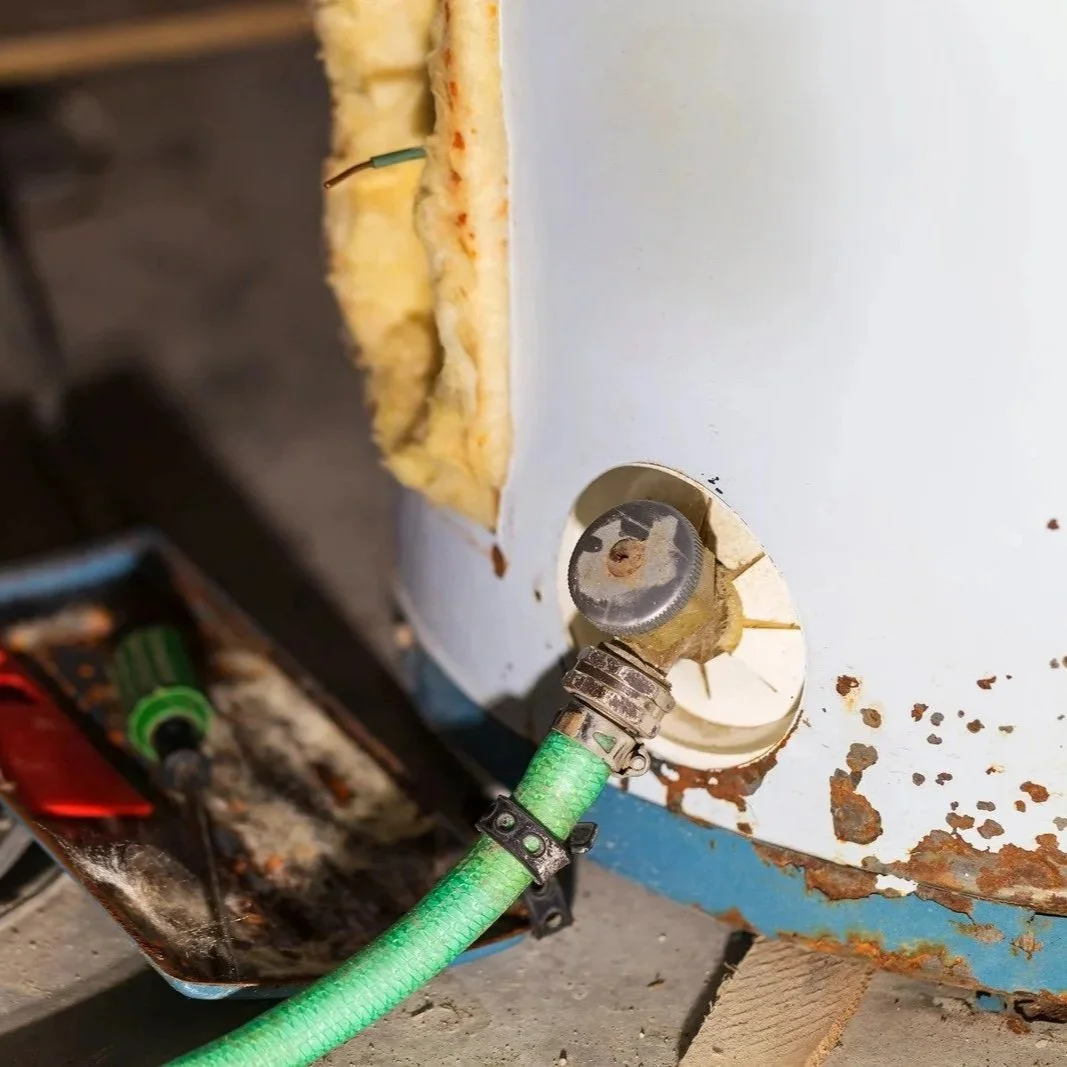
Quick Answer: A rumbling, knocking, or popping water heater is almost always sediment — hard-water minerals that have settled into a layer at the bottom of the tank. As the burner heats the tank, water trapped under and in that sediment boils and forces its way up, making the noise. It's a sign the tank is working harder and less efficiently, and over time it shortens the heater's life. Flushing the tank usually fixes it; in a hard-water area, regular flushing prevents it.
That rumble or knock when the water heater kicks on can sound alarming, but the cause is usually simple and well understood. It's the sound of water fighting its way through a layer of mineral sediment at the bottom of the tank. The noise itself is mostly harmless, but it's a useful warning: it means sediment has built up, and that buildup is quietly costing you efficiency and tank life. Here's what's happening and what to do about it.
What's Making the Noise
Water — especially the hard water common across the Phoenix area — carries dissolved minerals like calcium and magnesium. Over time, those minerals settle out and collect as a layer of sediment on the bottom of the tank, right where the burner heats the water on a gas heater (or near the lower element on an electric one).
When the heater fires up, water gets trapped underneath and inside that sediment layer. As it heats, it boils and bubbles, and the steam forces its way up through the sediment — pushing, popping, and rattling the buildup and the tank. That's the rumbling, knocking, or popping you hear. The thicker the sediment, the louder and more persistent the noise.
Why It's Worth Paying Attention To
The sound is mostly harmless, but what it signals isn't. A sediment layer sits between the burner and the water, so the burner must work harder and longer to heat through it, wasting energy and raising your bill. The trapped heat also overheats the bottom of the tank, stressing the steel and the glass lining and accelerating wear, which shortens the heater's lifespan and can lead to early failure or leaks. Sediment can also clog the drain valve and reduce the amount of hot water the tank effectively holds. So, a noisy heater is an efficient heater, turning into an inefficient and harder-working one.
There's a knock-on effect worth knowing about, too. Because the sediment forces the burner to run longer and hotter to push heat through it, the bottom of the tank undergoes more extreme heating cycles than it was designed for. That added thermal stress is what cracks the protective glass lining over time and exposes the steel underneath to corrosion, which is the path most tanks take toward an early leak. So the rumble you hear today is, in a real sense, the sound of the tank aging faster than it should. The earlier you address it, the more of that lost life you get back. It's the difference between a routine maintenance flush now and a full tank replacement sooner than you'd planned. Given how much a water heater costs to replace, that's a maintenance habit that pays for itself in extra years of service and lower energy bills along the way.
| Effect of sediment | What it means for you |
|---|---|
| Insulating layer over the burner | Higher energy use, longer heating times |
| Overheated tank bottom | Added stress, shorter tank life |
| Reduced effective capacity | Hot water runs out faster |
| Clogged drain valve | Harder to flush and maintain |
How to Fix and Prevent It
The standard fix is to flush the tank — draining it to wash out the sediment so water heats cleanly and quietly again. On a heater that's only recently started rumbling, a flush often clears the noise and restores efficiency. The catch is that on a tank that's gone years without flushing, the sediment can be hardened and heavy, and flushing an old, neglected tank should be done carefully — sometimes the buildup is so set that draining is difficult or the tank is already near the end of its life.
Prevention is the better play, especially in hard water. Flushing the tank periodically keeps sediment from building into a thick layer in the first place. Many homeowners in hard-water areas have it done as part of routine maintenance. And because hard water is the root cause, treating the water with a softener dramatically reduces sediment buildup and protects not just the heater but every fixture and appliance in the house. If your heater is old, very loud, and has never been flushed, it's worth having it checked rather than assuming a flush will solve everything — at that point, the noise may be telling you the tank is wearing out.
Frequently Asked Questions
The noise itself is usually harmless — it's water boiling through sediment, not an imminent failure. But it's a warning sign worth heeding: the sediment makes the heater work harder, wastes energy, and shortens the tank's life, and over time, that can lead to leaks or early failure. A modern water heater also has a temperature-and-pressure relief valve as a safety device. If you ever see leaking or signs of overheating, have it checked promptly.
Sediment at the bottom of the tank. Hard-water minerals settle into a layer over the burner, and when the heater runs, water trapped under and in that sediment boils and forces its way up, popping and knocking against the buildup and the tank. The more sediment, the louder it gets. It's especially common in hard-water areas like the Valley.
A flush is doable, but there are cautions. On a heater that's been flushed regularly or only recently got noisy, it's relatively routine. On an old tank that's never been flushed, the hardened sediment can make draining difficult and occasionally reveal a tank that's already failing. If you're unsure or the heater is old and very loud, having a plumber do it avoids turning a maintenance task into a bigger problem.
Usually, if the noise is from sediment, and the tank is otherwise sound. Removing the buildup lets water heat cleanly and quietly and restores efficiency. If the heater is old and the sediment is heavily hardened, a flush may help only partly, and the noise can be a sign that the tank is near the end of its life. Regular flushing prevents the buildup from returning.
Flush the tank periodically as routine maintenance, especially in a hard-water area where minerals build up fast. Better still, treat the water with a softener — since hard water causes the sediment, softening it dramatically slows it and protects your whole plumbing system, not just the water heater. Together, regular flushing and softened water keep the tank quiet and efficient.
A Noisy Tank Is a Warning, Not Just a Sound
The rumble from your water heater is sediment talking — hard-water minerals piled on the bottom of the tank, making the burner fight to heat through them. It's mostly harmless to hear, but it means lost efficiency and a shorter tank life. Flush the tank to clear it, keep flushing it to prevent it, and treat the hard water that causes it. Catch it early, and you protect both your energy bill and the heater itself.
Water heater rumbling or knocking? — Get the tank flushed and checked before sediment shortens its life. American Discount Plumbing serves Phoenix and the Valley. ROC #150707. Call (602) 883-2787.