
Effective Maintenance Strategies for Grease and Sand Traps
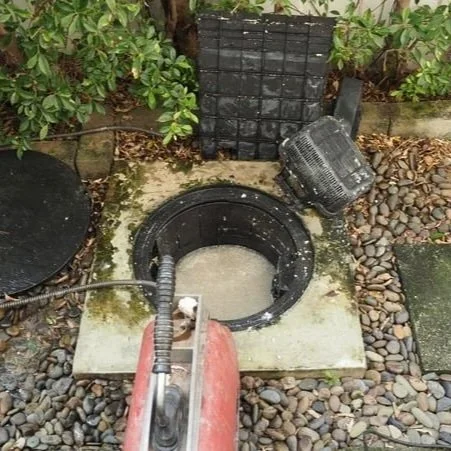
Hidden beneath kitchens, salons, car washes, and countless other commercial spaces, these humble fixtures work quietly behind the scenes.
Grease and sand traps don't require much—just regular attention and the occasional professional inspection. Hidden beneath kitchens, salons, car washes, and countless other commercial spaces, these humble fixtures work quietly behind the scenes. They intercept what doesn't belong in the municipal sewer system, all while dodging praise and fighting off unpleasant surprises.
Understanding the Role of Grease and Sand Traps
Grease traps collect fats, oils, and grease that slip down kitchen drains. They're the peacekeepers that stop thick sludge from gluing itself to the inside of sewer pipes. Sand traps, meanwhile, gather sediment, grit, and heavy particles before they can settle where they are not supposed to. Each trap tackles a different kind of waste, but both share a goal—preventing blockages, odors, and emergency visits from the plumbing cavalry.
These traps are a legal requirement in many industries. Cities and municipalities want business owners to play their part in keeping public systems flowing smoothly. When traps fall off the maintenance schedule, the risk of overflow increases, followed closely by fines, inspections, and sometimes even temporary shutdowns.
Routine Inspection Is the Cornerstone
Effective maintenance begins with regular inspections. Frequency depends on the nature of the business and the volume of waste generated. A diner flipping burgers every day will fill up a grease trap faster than a bakery focused on pastries. Similarly, an auto detailer will have a more sediment-heavy sand trap than a quiet storefront with light foot traffic.
Professionals evaluate the depth of buildup, check the integrity of internal components, and measure the volume of waste collected. Grease traps are often considered full when about a quarter of the trap contains floating or settled waste. That's the sweet spot for service before things begin spiraling toward disaster.
Routine inspections do more than track buildup. They offer a chance to detect early signs of trouble—like missing baffles, cracked lids, or corrosion. Left alone, those seemingly minor issues become budget-busting repairs later on.
Scheduled Cleanouts Keep Everything Flowing
Consistent cleaning is the second half of a strong maintenance plan. Waiting until the traps back up is like waiting until your car stops running before adding oil. Pumping out the waste, scraping out sludge, and scrubbing down interior walls prevent grease and debris from hardening into immovable problems.
Grease traps benefit from hot water rinses and biodegradable cleaners between major cleanings. These help reduce odor and minimize early buildup. Sand traps rely on powerful vacuuming systems and occasionally jetting out lines to restore free flow and keep drains draining.
Service intervals can be fine-tuned with a little observation and attention. If the trap fills up faster during certain months or after menu changes, the cleaning schedule can shift accordingly. Flexible planning beats one-size-fits-all guessing every time.
Documentation Builds a Smart Maintenance Record
Keeping records of each cleaning and inspection helps in multiple ways. First, it shows health and environmental officials that the business takes waste management seriously. Second, it provides a timeline of trap performance that helps pinpoint patterns.
Service logs should include the date, amount of waste removed, any repairs performed, and names of the professionals involved. Some businesses add notes about odors or backups, building a rich history of what's normal and what's not. That information becomes invaluable when something unexpected arises.
Proactive Repairs Protect the System
Sometimes, maintenance uncovers more than just buildup. Broken gaskets, rusted lids, cracked tanks, and damaged baffles all threaten trap performance. Ignoring those issues leads to leaks, backups, and costly shutdowns.
Tackling repairs early minimizes downtime and keeps the plumbing system in good condition. Replacing a worn-out baffle is less time-consuming and cost-effective than replacing an entire tank. Swapping out a broken access cover means one less entry point for rodents and pests. Skilled professionals know what to look for and how to fix it with minimal interruption.
Odor Control Starts with Cleanliness
Traps that haven't been cleaned in a while develop their own unique aroma—one that lingers in kitchens, restrooms, and even retail spaces. It's not just unpleasant; it's a warning sign. Odors mean grease and waste have been fermenting long enough to produce gas. Regular service keeps smells at bay, improves the customer experience, and saves the embarrassment of airing out a shop before a surprise inspection.
Some business owners use biological treatments between cleanings. These enzyme-rich formulas help break down fats and starches without harming the trap. They're a helpful tool, not a replacement for professional service—but they do make things smell a whole lot better.
Tailored Strategies for Different Businesses
No two businesses are identical, and their traps shouldn't be treated as such. A high-volume bar will send gallons of waste through its drains every night, while a small salon might only need monthly checks. The key lies in observation, documentation, and working with experienced service providers.
Commercial kitchens might benefit from a combination of regular cleanouts and grease interceptor monitoring systems. Car washes and groomers might need sand traps inspected after every busy weekend. Tailoring the strategy avoids over-servicing while maintaining compliance and functionality where they should be.
Training Staff Helps Keep Traps Happy
Maintenance doesn't fall entirely on outside professionals. Staff members can help extend the life of traps through daily habits. Scraping food into compost bins, using sink strainers, and keeping coffee grounds far from drains can slow grease and sediment buildup. Training employees on what not to pour down the sink can make a measurable difference in how often the trap fills up.
Managers might post reminders near prep stations or create a quick training module for new hires. Even a few minutes of education pays off when the plumbing system runs without surprise visits from the service crew.
Knowing When to Upgrade
Sometimes, no amount of cleaning can fix a trap that's too small or too old. An undersized unit in a busy kitchen fills up faster than it can be emptied. A trap that's decades old may no longer meet current plumbing codes. If service calls start stacking up and backups become frequent, an upgrade might be the smartest move.
Newer models often offer easier access for cleaning, improved flow rates, and stronger materials that resist corrosion. Modern technology also includes sensors that alert business owners when traps require attention, eliminating the guesswork from scheduling.
Professional Partnerships Make the Difference
Businesses that rely on plumbing professionals for trap maintenance enjoy smoother operations, cleaner workspaces, and fewer compliance worries. Experienced technicians arrive with the right tools, know what to watch for, and clean up without leaving a mess behind. They offer guidance, build trust, and protect businesses from the silent disasters that trap neglect can trigger.
Grease and sand trap maintenance doesn't need to be complicated or stressful. With a solid plan, attentive service, and a dash of discipline, these underground heroes will continue to do their jobs without fuss. And when traps work well, so does everything else.
American Discount Plumbing delivers a full-service, one-stop solution for expert residential plumbing in Phoenix, AZ, including professional drain cleaning & jetting, general plumbing, and water leak detection and repair. Our experienced, family-owned team services home plumbing systems with a focus on fast response, dependable workmanship, and long-term reliability. We provide licensed, bonded, and insured service along with prompt, trustworthy care. Schedule your plumbing service today and enjoy peace of mind with solutions that last.