Specialized Plumbing Solutions for Commercial Properties
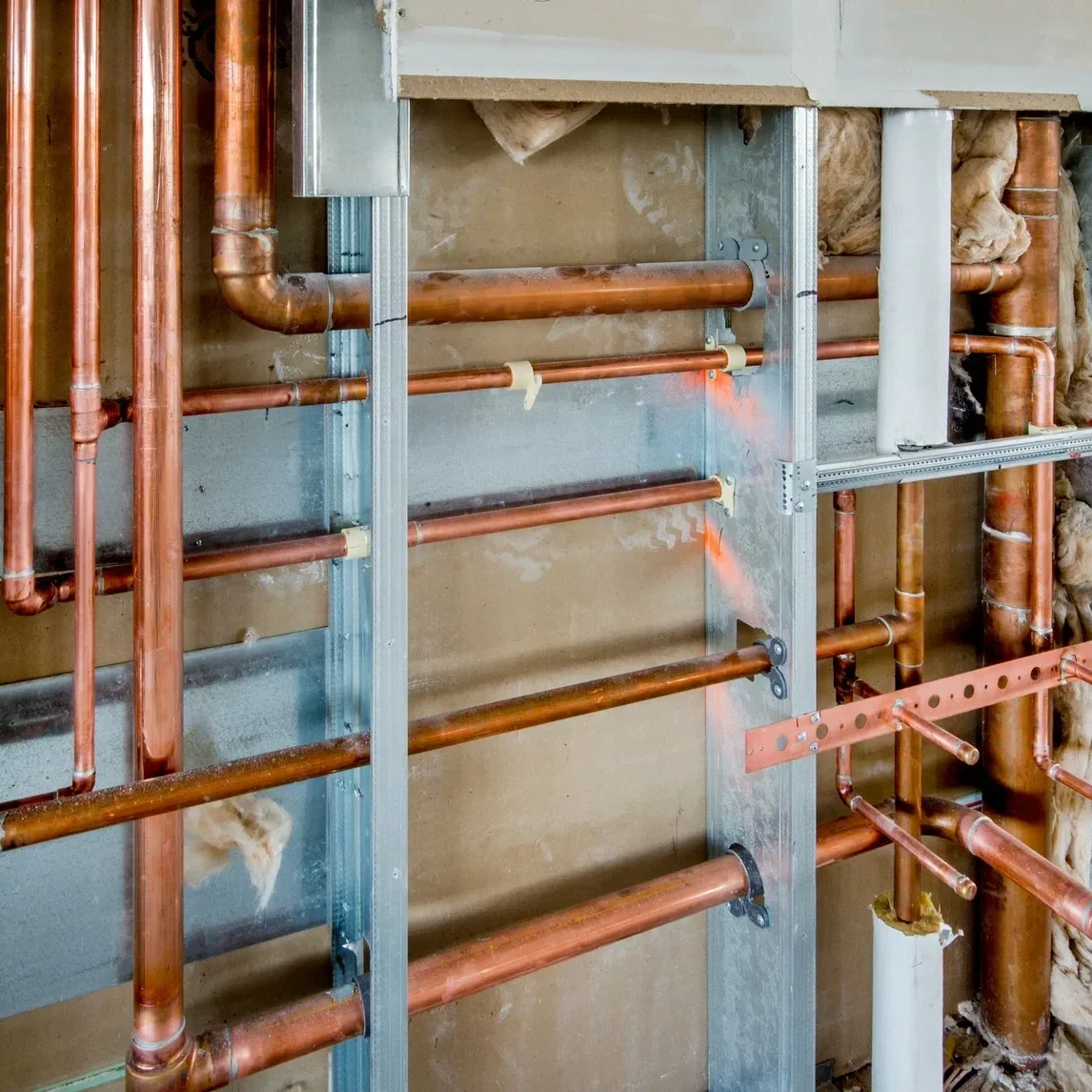
Specialized plumbing solutions help avoid downtime, meet compliance, and keep things running as they should.
Commercial properties require more than standard plumbing fixes. High-traffic facilities deal with heavier usage, stricter regulations, and complex system layouts. Whether it’s a restaurant juggling peak lunch hours or an office complex managing hundreds of bathrooms, the plumbing needs to scale up—and so do the stakes. Specialized plumbing solutions help avoid downtime, meet compliance, and keep things running as they should.
Understanding The Complexity Of Commercial Systems
Larger buildings mean more fixtures, longer pipe runs, and more variables. A minor issue in a single-floor residence might not cause a ripple, but in a ten-story office building, the same issue can snowball quickly. Commercial plumbing systems demand a design that accommodates higher demand, fluctuating usage patterns, and often, multiple types of occupancy. One wing may house kitchens, another retail, and yet another a daycare facility—all with different water needs and regulatory oversight.
Managing Water Pressure And Flow Balance
Commercial properties often juggle variable water pressure demands. while the first-floor café is steaming cappuccinos, that causes headaches. Specialized pressure regulators and booster pumps stabilize flow, allowing operations to continue without unpleasant surprises. Plumbing professionals use advanced diagnostics to evaluate performance and adjust configurations that balance flow across zones, even during peak use.
Adapting Drainage Systems To Meet High Volume
Restrooms, kitchens, mop sinks, and commercial dishwashers produce serious wastewater. The drainage system in a commercial setting handles grease, food debris, chemicals, and plain old volume. Poor drainage doesn’t just slow things down—it opens the door for health violations, odors, and flooding. Grease traps, sediment interceptors, and backflow preventers all play roles in keeping drainage flowing efficiently. Cleaning and inspections are more frequent in a commercial setting because a single clog can stall multiple operations.
Water Heating On A Bigger Scale
Restaurants, gyms, laundromats, and hotels all share one thing in common: the need for hot water on demand. Residential water heaters simply aren’t up to the task. Commercial-grade systems provide continuous output, integrate with energy management strategies, and often connect to multiple zones. Tankless systems offer a single solution, but in large buildings, hybrid systems with storage and instant heating deliver greater consistency. Maintenance includes flushing tanks, checking valves, and verifying the accuracy of thermostatic mixing.
Tackling Restroom Maintenance In Public Spaces
Public restrooms take a beating. High turnover, varying user behavior, and the sheer number of visitors create unique challenges. Commercial toilets, urinals, and sinks are designed for durability, but they still need attention. Flushometers, automatic faucets, and sensor-activated dispensers require occasional recalibration or replacement of parts. Plumbing professionals keep these restrooms functional, sanitary, and ready for inspection, because one broken toilet can cast a shadow on the whole operation.
Backflow Prevention Is Non-Negotiable
Commercial properties pose a greater risk of cross-contamination due to their scale and complexity. Water systems may include irrigation, fire suppression, or chemical feeders. Backflow devices prevent contaminants from flowing back into potable water lines. Local regulations require annual testing and certification of these devices. A qualified commercial plumber handles both the inspection and paperwork, giving business owners one less regulatory detail to track.
Custom Solutions For Specialty Facilities
Some businesses can’t use off-the-shelf plumbing solutions. Breweries, dental offices, industrial kitchens, and labs each have specific needs. Custom piping materials, temperature-controlled systems, and chemical resistance factor into design choices. Plumbing solutions for these spaces must align with both operational needs and health or safety regulations. Experienced professionals understand how to integrate performance with compliance, whether building from scratch or retrofitting an older system.
Dealing With Hidden Leaks In Expansive Structures
In commercial properties, leaks rarely drip in plain view. Water can travel significant distances from its source before becoming visible. Ceiling tiles, wall cavities, and flooring absorb damage long before anyone notices. Advanced leak detection tools, such as infrared imaging and ultrasonic sensors, help quickly track down the source. Once located, repairs often involve coordination with building management and other trades to access and restore hidden plumbing infrastructure.
Planning For After-Hours Service
Downtime affects bottom lines. That’s why many commercial plumbing jobs happen outside regular business hours. Whether it’s unclogging a main sewer line in a restaurant or replacing valves in a manufacturing plant, professionals plan with building managers to reduce disruption. Off-hour service isn’t just about convenience—it’s about maintaining operations without cutting into sales or productivity.
Upgrading Old Infrastructure Without Starting Over
Many commercial buildings carry the charm—and the plumbing—of decades past. Galvanized pipes, outdated water heaters, and inefficient fixtures compromise performance and waste resources. Total overhauls are expensive, but phased upgrades deliver impact without closing doors. Retrofitting with water-saving fixtures, insulating exposed pipes, and replacing valves or risers one section at a time gives aging infrastructure a new lease on life without pulling the plug on operations.
Keeping Systems Code-Compliant
Commercial plumbing work comes with a long tail of permits, codes, and inspections. Fire safety, ADA compliance, water conservation, and health department standards all play roles. Experienced commercial plumbers understand not only how to build a reliable system but also how to align it with municipal and state requirements. Documentation, inspections, and final approvals are part of the service, not an afterthought.
Sustainability Matters More Than Ever
Efficiency isn’t just good for the budget—it matters to clients, regulators, and brand image. Low-flow fixtures, water recycling systems, and leak-detection monitoring reduce usage and demonstrate environmental responsibility. Smart controls automate flushing and handwashing in high-traffic areas while minimizing waste. Greener plumbing isn’t just a trend—it’s part of doing business responsibly.
Emergency Readiness Is Part Of The Plan
Flooded basements, frozen pipes, and broken mains rarely check the calendar before arriving. Commercial properties need response plans that include clear shutoff protocols and access points. Plumbing professionals often map system layouts so building staff can respond quickly in emergencies. Water sensors, alarms, and smartphone-controlled shutoff valves provide a tech-savvy safety net.
Regular Maintenance Prevents Major Setbacks
An ounce of prevention keeps the plumber from having to show up with a jackhammer. Regular checkups catch leaks, loose fittings, and water quality issues early. Routine maintenance includes flushing water heaters, snaking drain lines, calibrating sensors, and replacing worn parts. When a commercial space runs smoothly, nobody notices. When it doesn’t, everyone does.
Partnering With Professionals Who Understand Commercial Needs
Commercial plumbing requires different tools, training, and a different way of thinking. The stakes are higher, the systems more complex, and the timelines tighter. Partnering with a plumbing team that understands commercial demands means fewer surprises and more uptime. Businesses thrive when they can rely on their infrastructure to stay quietly in the background—doing its job, without complaint, day in and day out.
Behind every smoothly running commercial building lies a plumbing system built for scale, tested under pressure, and supported by expertise. Specialized solutions don’t just fix problems—they support performance, compliance, and peace of mind.
American Discount Plumbing offers a complete, one-stop solution for professional commercial plumbing in Phoenix, AZ, including pipe services, water heater solutions, toilet repairs, and fixture installation and maintenance. Our licensed, bonded, and insured team services commercial plumbing systems with a focus on efficiency, minimal downtime, and long-term performance. Whether you need urgent plumbing repairs or a full system upgrade, we ensure prompt response times. Schedule a service today and keep your operations running without interruption.