Preventing Water Damage with Timely Pipe Repairs
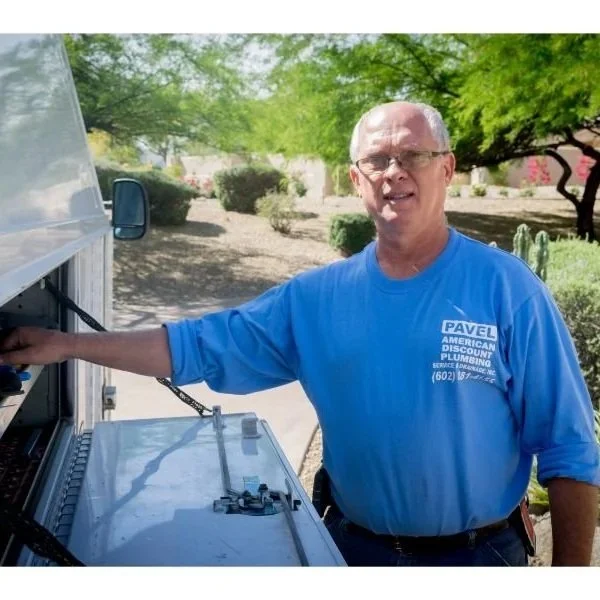
The quiet drip under the sink or behind the wall often becomes a costly problem unless addressed with the urgency it deserves.
Pipes don’t ask for much attention—until they do. A small leak might seem harmless at first, but water rarely behaves politely when confined. It seeps, soaks, and invites mold, mildew, and structural damage. The quiet drip under the sink or behind the wall often becomes a costly problem unless addressed with the urgency it deserves.
Early Repairs Make a Big Difference
When water pipes whisper their complaints, they rarely stop there. A minor crack or loose joint quickly turns into a soggy mess. Pipes wear down for many reasons—age, temperature changes, hard water buildup, or shifting soil. Once the damage begins, water finds its way into places it doesn’t belong. Walls, ceilings, and floors silently absorb moisture, allowing visible damage to appear long after the worst has already happened.
Signs That Can’t Be Ignored
Discolored spots on drywall, warping floorboards, or mysterious musty smells all point to trouble hiding behind the scenes. Sounds of running water when everything’s turned off, or a sudden drop in water pressure, also signal problems in the pipeline. Responding to these clues quickly can mean the difference between a simple repair and a full-scale renovation.
Pipe Material Matters
Older homes often carry plumbing made from galvanized steel, clay, or cast iron. These materials once dominated the industry, but they don’t hold up well under today’s conditions. They corrode, clog, and crack with age. Replacing damaged sections with modern materials like PEX, copper, or PVC often improves performance while reducing the risk of future leaks.
PEX Brings Flexibility And Durability
PEX has become a favorite in modern residential plumbing. It bends around corners, handles freezing temperatures better than rigid materials, and installs with fewer joints. For homes with frequent temperature swings or shifting foundations, PEX piping offers a low-maintenance, reliable solution.
Copper Holds Classic Appeal
When aesthetics meet performance, copper steps in. It resists bacteria, handles heat well, and maintains pressure integrity over decades. Though more expensive than plastic alternatives, copper is suitable for situations where visible installations or high-heat areas demand tougher materials. It also ages with a bit of flair—no one minds a little copper patina.
PVC Keeps Drain Lines Simple
For waste and vent systems, PVC holds the title belt. It resists chemical corrosion, doesn’t rust, and seals tightly. When pipe damage occurs in drains or sewer lines, PVC offers an affordable, sturdy replacement. Plus, it’s light enough to install quickly without special tools.
Professional Diagnosis Avoids Guesswork
Hidden leaks rarely appear on command. Instead, they lurk behind drywall or under slabs, silently damaging materials as they go. Thermal imaging, acoustic sensors, and pressure testing enable plumbers to locate problems precisely. Accurate diagnosis prevents unnecessary demolition and directs repair efforts where they matter most.
Trenchless Solutions Preserve Landscaping
Outdoor pipe repairs used to require excavators, ripped-up lawns, and weeks of work. Trenchless techniques changed that story. Pipe relining, bursting, and slip lining replace or reinforce old lines through small access points. Lawns, driveways, and flower beds remain undisturbed while underground systems are fully refreshed.
Spot Repairs Handle Isolated Issues
When damage affects a single section of pipe, targeted repairs reduce cost and disruption. Technicians may apply epoxy patches, replace a short stretch, or reseal joints. Isolated repairs restore function quickly without redoing the entire system. For smaller leaks in accessible areas, this approach balances speed and quality.
Seismic Movement And Settling Take a Toll
Even the most solid-looking home shifts over time. Minor earthquakes, soil compaction, or foundation settling can strain plumbing connections. Pipes installed without flexibility can crack or separate under this pressure. Using expansion joints, flexible couplings, and properly spaced hangers prevents damage before it begins.
Water Pressure Plays a Role
High water pressure feels great in the shower, but pipes don’t always share the excitement. Sustained pressure above recommended levels stresses joints, weakens seals, and reduces the lifespan of even new plumbing. Installing a pressure-reducing valve and monitoring system performance protects the work put into repairs.
Winter Temperatures Demand Preparation
When temperatures dip below freezing, standing water in pipes begins to expand. Uninsulated or exposed lines burst under the pressure, flooding basements and crawlspaces with no warning. Insulating vulnerable areas and sealing access points helps prevent cold weather disasters. If damage does happen, prompt repair keeps things from spiraling out of control.
Corrosion Is More Than Surface Rust
Metal pipes face invisible enemies from within. Chemical reactions, high acidity, or even electrical grounding issues can cause corrosion from the inside out. The result often appears in reduced water flow, pinhole leaks, or water discoloration. Replacing affected sections with corrosion-resistant materials eliminates the problem at the root.
Leaks Compromise Structural Integrity
Water doesn’t just stain—over time, it softens drywall, warps beams, and compromises foundations. Constant dampness feeds mold colonies that take root in insulation and behind baseboards. Acting quickly when leaks occur prevents a chain reaction and delays long-term structural repairs. It also helps protect indoor air quality and overall livability.
Insurance Loves A Maintained Plumbing System
Home insurance policies cover sudden damage, but not always the underlying maintenance issues. Keeping plumbing in good shape makes claims easier and more likely to be honored. Regular inspections and records of repair work show a proactive approach to property care. That matters when claims adjusters come calling.
Home Value Benefits From Healthy Pipes
When buyers consider a home, plumbing lands high on the list of concerns. A well-maintained system with recent repairs adds confidence and value. Nobody wants to inherit someone else’s plumbing nightmare. Durable repairs, documented work, and modern upgrades speak volumes about a home's quality.
Routine Inspections Reduce Surprises
Annual or biannual plumbing inspections identify vulnerabilities before they turn into full-blown disasters. Plumbers look for signs of wear, pressure problems, and corrosion. They may recommend pipe replacement, joint tightening, or water softeners to extend pipe life. These small steps help avoid major bills down the road.
The Cost Of Delay Always Climbs
Waiting rarely improves plumbing problems. Small leaks often create big issues within days, not weeks. Mold removal, drywall replacement, and flooring repairs cost far more than a simple pipe patch or section swap. Prompt attention saves money, stress, and the occasional argument over who used the last towel to mop up a flood.
Pipe repairs rarely arrive at a convenient moment. But with timely intervention, solid materials, and skilled hands on the job, water damage becomes one less thing to worry about. Homeowners sleep better when they know their plumbing system isn’t throwing a party behind the walls.
American Discount Plumbing provides a comprehensive, one-stop solution for professional residential plumbing, including expert toilet repair, water heater repair or replacement, and pipe repair. Our licensed, bonded, and insured, family-owned team services home plumbing systems with a focus on reliability, efficiency, and lasting performance. Whether you need fast plumbing repairs or a complete system replacement, we deliver trusted workmanship and customer-focused care. Get your free estimate today and enjoy dependable solutions you can count on.